Who it suits
A strong starting option for fit first-time trekkers willing to train, camp and follow a gradual pace. Prior technical climbing is not normally needed on this itinerary, but altitude and the long summit day remain serious challenges.
Start in the western forest, cross the Shira Plateau and approach Uhuru through the southern circuit. Eight mountain days give this demanding journey room for a more measured rhythm.
A strong starting option for fit first-time trekkers willing to train, camp and follow a gradual pace. Prior technical climbing is not normally needed on this itinerary, but altitude and the long summit day remain serious challenges.
The extra time supports preparation and recovery; it does not guarantee acclimatization. Some camp-to-camp altitude gains still exceed general gradual-ascent guidance. Report symptoms early and follow your guide’s decisions.
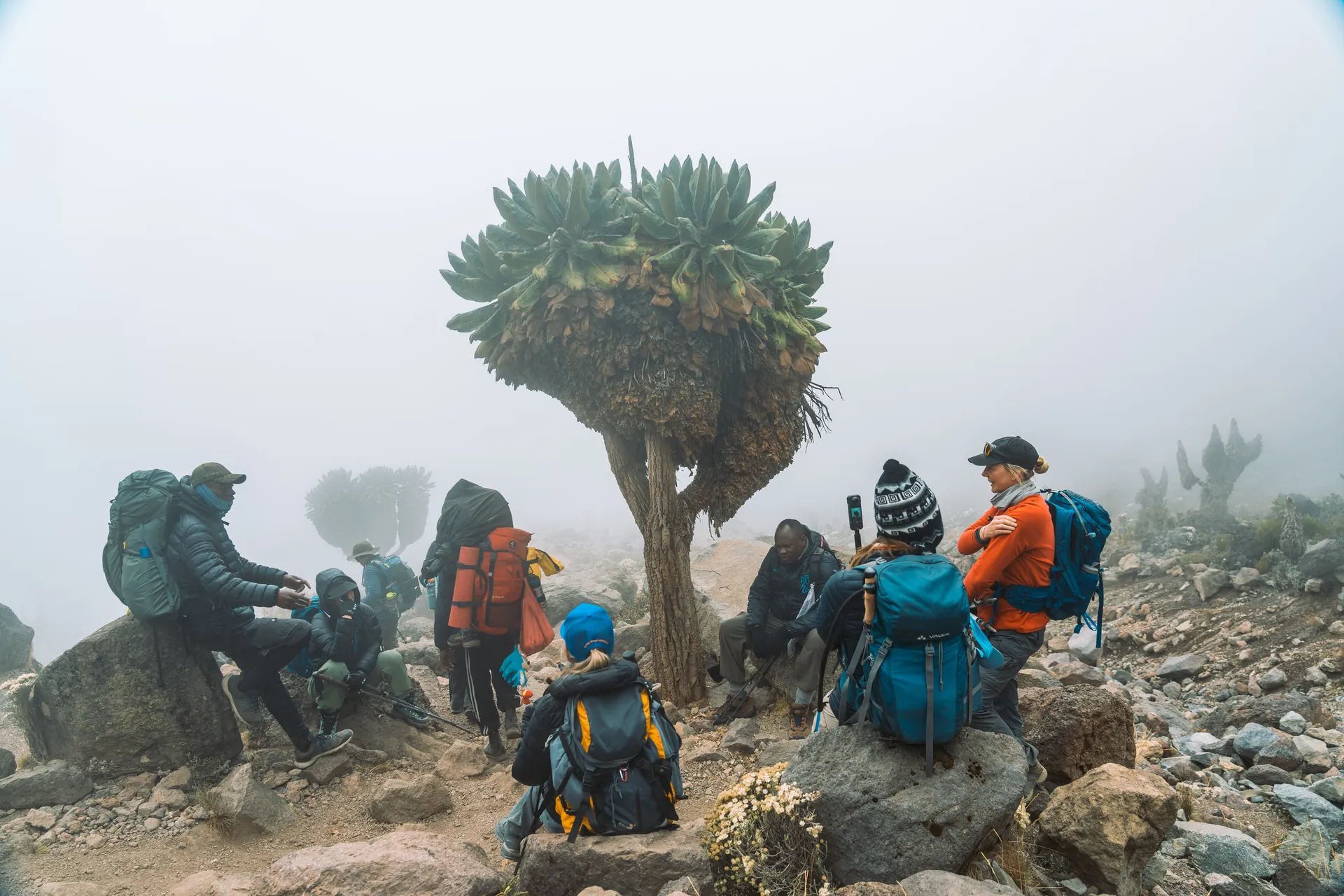
From the rainforest to the high camps, see some of the places along the way.
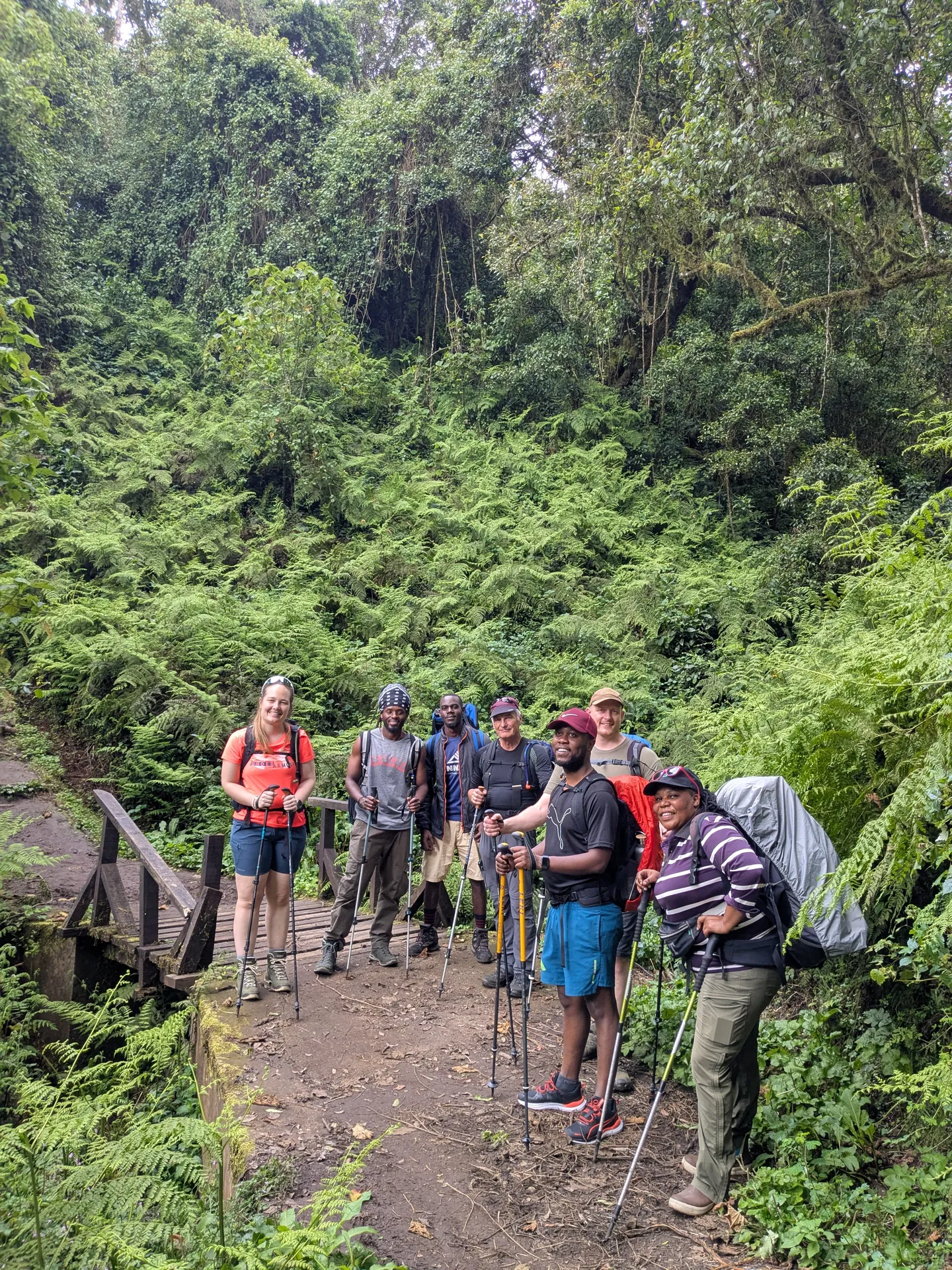
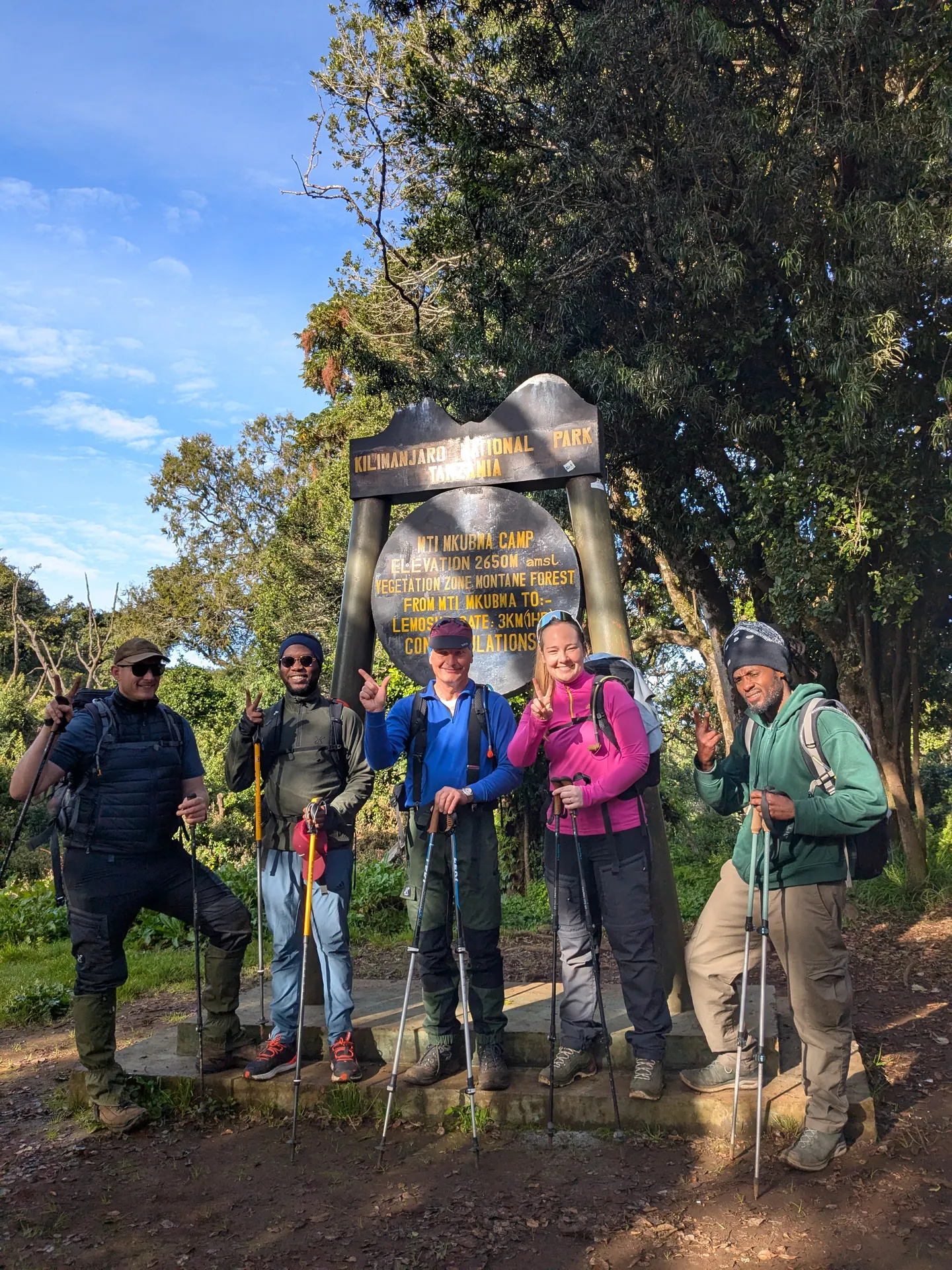
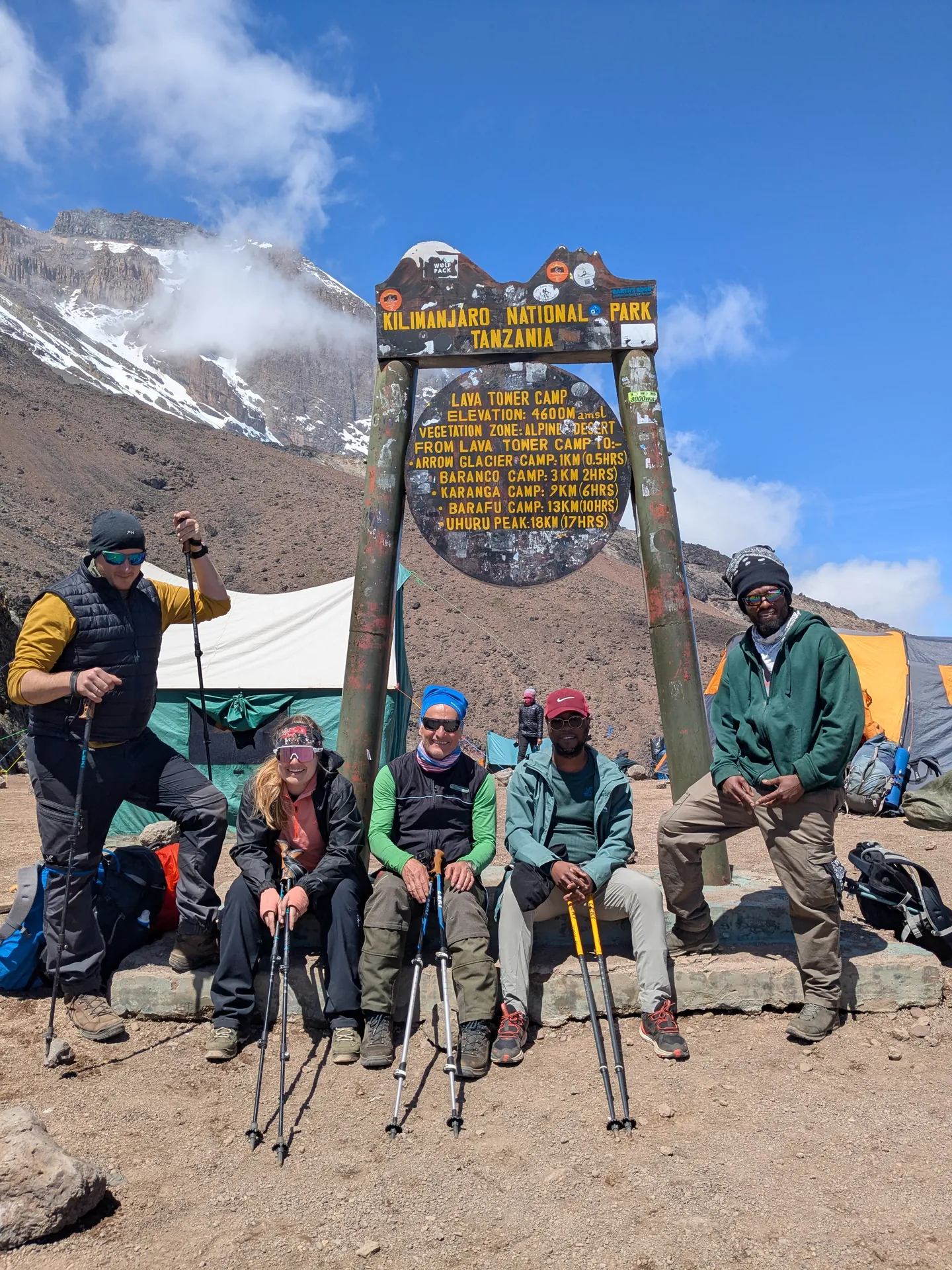
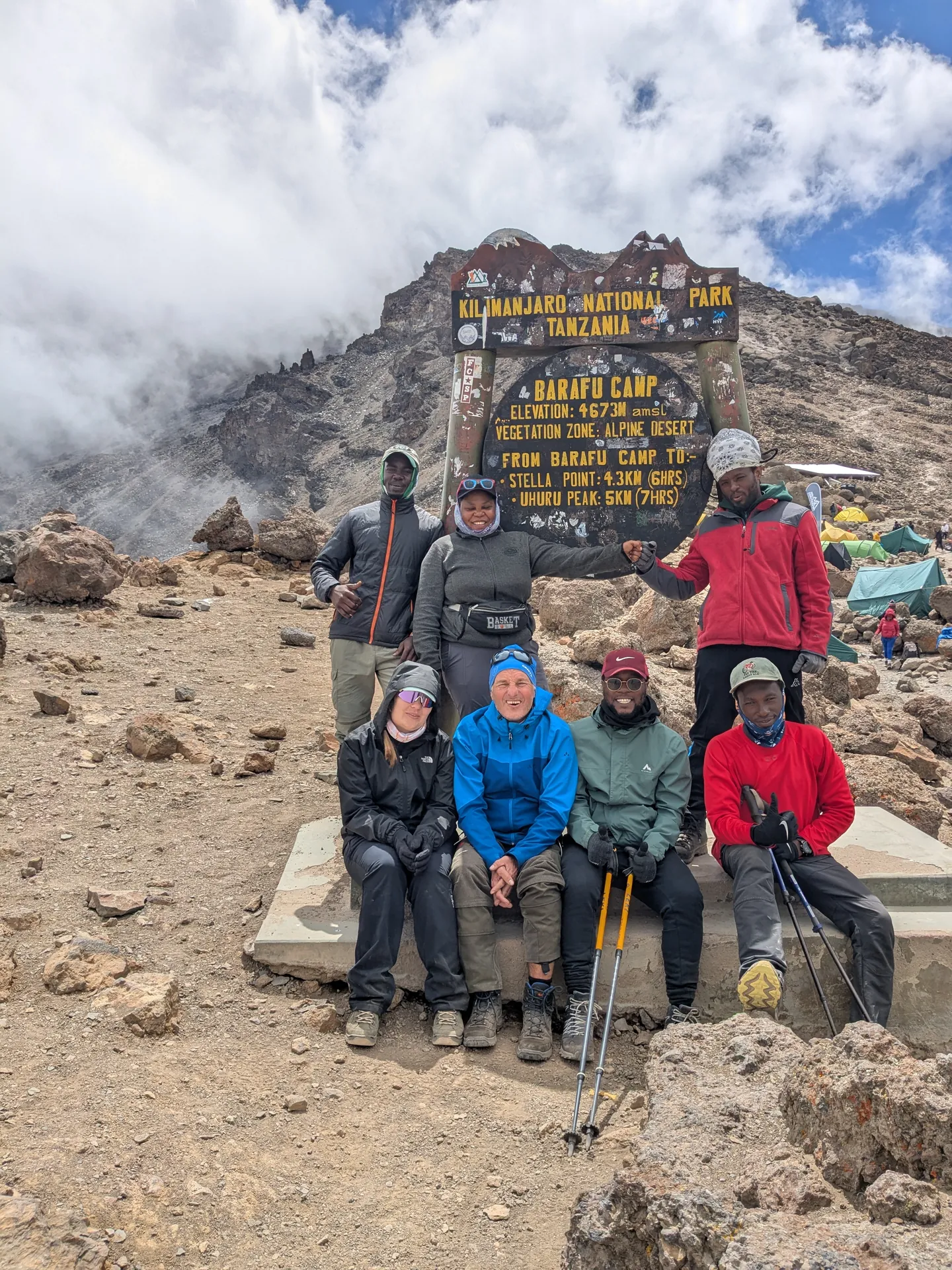
This is the proposed itinerary. Your written proposal confirms accommodation, inclusions and any changes for your dates. Conditions and safe operating decisions can change the daily plan.
Complete registration and travel to the western trailhead. Begin through the forest at an easy pace while your mountain team establishes the first camp.
Overnight: Mti Mkubwa · about 2,800 m
Forest walking · first camping nightLeave the forest behind and climb through heather toward the western edge of the plateau. Keep the afternoon unhurried so you can eat, settle into camp and recover.
Overnight: Shira 1 · about 3,500 m
Moorland and plateau approachCross the open plateau toward the second Shira camp. The team may adjust the afternoon walk around weather, pace and how each climber is feeling.
Overnight: Shira 2 · about 3,850 m
Plateau traverseReach higher ground near Lava Tower before descending into Barranco. This is a substantial walking day with a higher daytime exposure and a lower sleeping camp.
Overnight: Barranco · about 3,900 m
Daytime high point near 4,600 mNegotiate Barranco Wall with your guide, then continue over ridges and valleys to Karanga. Some sections call for hands as well as feet; patient movement matters.
Overnight: Karanga · about 4,000 m
Scrambling and uneven trailClimb into the alpine desert and reach the summit staging camp. Eat, prepare clothing and equipment, attend the briefing and protect your rest before the night ascent.
Overnight: Barafu · about 4,670 m
Summit preparationBegin the summit attempt during the night. If conditions and your health permit, continue via Stella Point to Uhuru, then descend to Barafu and onward to a lower camp.
Overnight: Mweka · about 3,100 m
Longest and most demanding day; turnaround decisions take priorityDescend through the forest, complete park formalities and meet your return transfer. Allow a recovery night before a tightly timed flight or another demanding activity.
Overnight: Post-climb hotel as quoted
Mountain programme ends after descentThe final written quote is the agreement on services and costs. Please check room sharing, transfers, meals, fees and any optional upgrades before confirming.
Often planned in the drier January–February and June–October periods. Rain, wind and snow remain possible in every month; your dates should balance conditions, crowds and your preparation.
Arrive before Day 1 for a briefing and equipment check. Eight days means time on the mountain, not an eight-day international holiday. We confirm your arrival hotel, post-climb night and JRO transfers in the full quote.
Build walking endurance and practise on hills with the daypack and boots you will use.
Bring a layered clothing system, waterproof protection, warm handwear and a suitable sleep system. We review your equipment before departure.
Consult a qualified clinician about altitude travel and relevant medical conditions. Medication decisions belong with your clinician.
Ask about the premium lounge, shower and sleep setup. Route suitability and safety decisions remain the same priority on every service level.
The western start can feel more spacious, but trails merge with other routes. Season, camps and departure dates affect the experience; no route promises solitude.
No. More time can help, but people respond differently to altitude. Weather, health and guide judgement govern the attempt.
They are rounded planning figures. Camp placement and route variants differ; the final briefing confirms the operating itinerary.
Pinnacle can help request helicopter evacuation through an external aviation provider when needed. This is a separately charged service: helicopter flights, medical care and onward transfers are not included in Basic or Premium package prices unless your written quote expressly says otherwise.
Availability is subject to the provider’s operational approval, aircraft availability, weather, landing access and aircraft limitations. A request does not guarantee a flight or a response time. Your guides will follow the available evacuation plan; urgent descent and ground evacuation must not be delayed while waiting for an aircraft.
Before travel, confirm with your insurer that your policy covers the booked activity, your maximum altitude—including Uhuru Peak at 5,895 metres where applicable—helicopter search and rescue, medical evacuation and treatment. Check exclusions, payment authorisation and any excess. Share your policy and emergency-assistance details with Pinnacle. Costs not accepted by the insurer remain payable by the guest.
Ask Pinnacle about evacuation arrangements and extra charges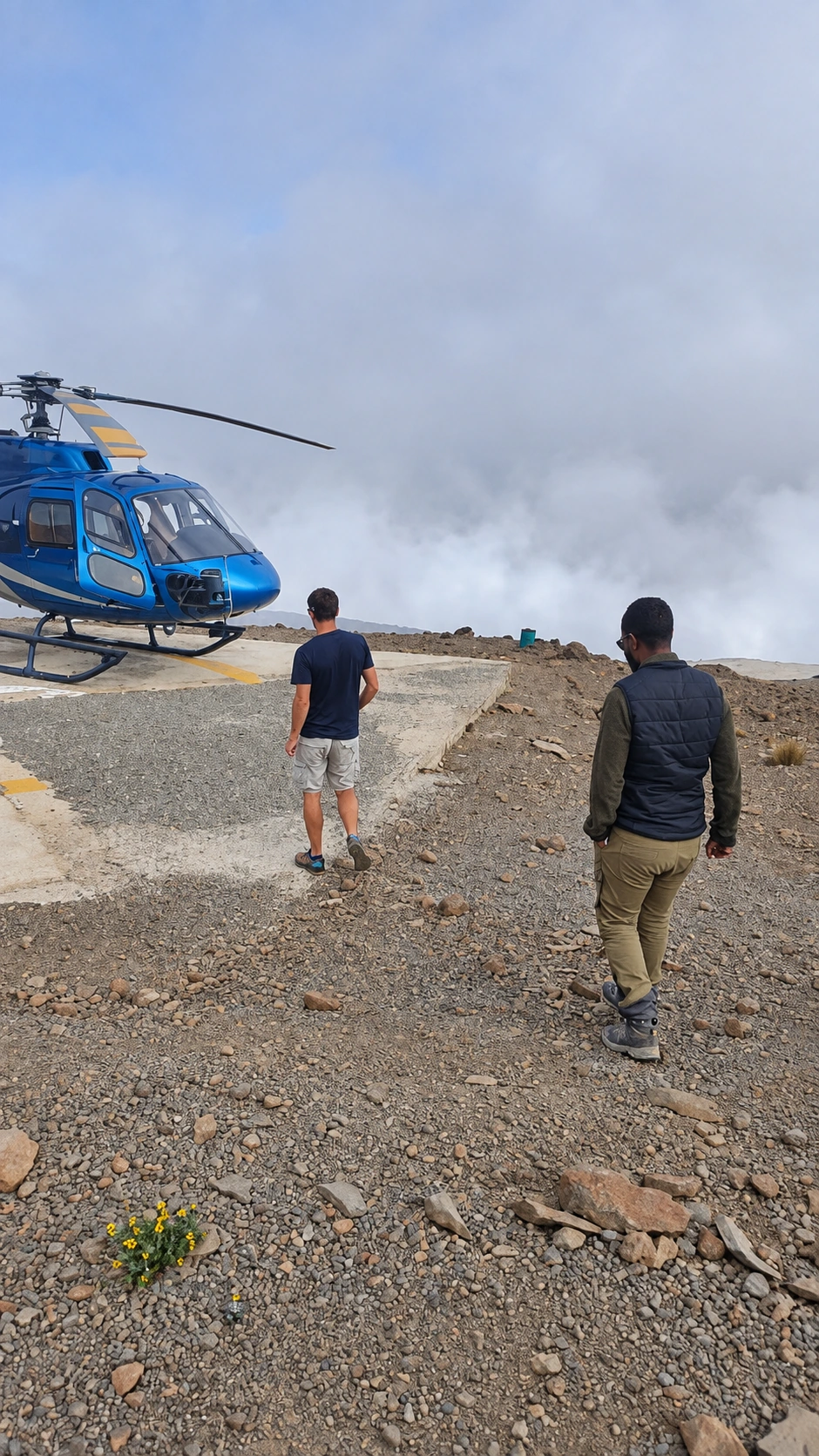
Tips are customary and appreciated, but voluntary. These are Pinnacle’s suggested planning ranges for good service, not compulsory fees. Tips are additional to your package price unless your written quote expressly includes them, and never replace wages or determine the care you receive.
| Role | Suggested amount | Basis |
|---|---|---|
| Lead guide | US$20–25 | Per guide, per mountain day |
| Assistant guide | US$15–20 | Per guide, per mountain day |
| Cook | US$15–20 | Per cook, per mountain day |
| Porter | US$8–10 | Per porter, per mountain day |
| Specialist porter | US$10–15 | Per person, per day performing the extra role |
Calculate each role’s daily rate × number of people in that role × days worked, then add the amounts and divide the group total among the climbers. Specialist roles can include summit assistance, toilet care or camp service; use the specialist rate instead of adding a second full porter tip for the same day.
Example: two climbers on a seven-day trek with one lead guide at US$25/day, one assistant at US$20/day, one cook at US$20/day and eight porters at US$10/day would budget US$1,015 for the whole group, or US$507.50 each. This illustrates the calculation, not a promised crew size. Solo climbs and larger Premium teams can cost more per guest; Meru and Lengai use their own confirmed rosters and days.
Pinnacle will confirm the crew roster and a suggested tip breakdown before departure. At the end of the trek, give labelled envelopes directly to each crew member where practical. If tips are pooled for distribution, agree and record the total and each allocation with the crew present. No management deductions should be taken from tips.
Pinnacle’s company-funded 1% Basic and 7% Premium Kilimanjaro crew welfare contributions are separate from guest tips. They are not deducted from tips and do not replace them. Read the crew programme.
Cash in Tanzanian shillings or accepted US-dollar notes is practical; agree the currency and conversion beforehand. Prepare smaller denominations. EUR and GBP amounts depend on the exchange rate, so agree any equivalent rather than assuming the website’s package conversion applies to tips.

© 2026 Pinnacle Tanzania Operators Limited · Trading as Pinnacle Tanzania