Private climbs · Open groups · Expert mountain teamsTanzania · East Africa
“I believe every step on a mountain brings you closer to a version of yourself you have yet to meet.”
Frazier MsuyaFounder of Pinnacle Tanzania
Why climb with Pinnacle?
A route that fits you. A system around the climber.
Start with the right ascent plan, then choose your camp comfort. Our Summit System connects preparation, pacing, recovery and professional judgement throughout the expedition.
01 / Choose your route
First climb? Start the conversation with eight-day Lemosho.
For many fit first-time high-altitude trekkers, this is our planning starting point. Compare the longer Northern Circuit if you have more time, or six-day Marangu if shared huts matter. The right choice still depends on your experience, preparation and dates.
Seven connected pillars bring route design, gear checks, deliberate pacing, altitude awareness, nourishment, recovery and team leadership into one framework. No promised summit percentage—an expedition built around informed decisions.
Both include WFR-certified mountain guides, emergency oxygen, pulse oximeters and first-aid kits. Premium adds route-appropriate camp comforts and two 4–5-star hotel nights. Compare what you receive, not only the headline price.
After a fully paid Kilimanjaro expedition is completed, Pinnacle allocates 1% of the Basic package price or 7% of the Premium package price to its crew welfare and savings programme. Every registered crew member named on that expedition’s final roster receives one equal share.
Kilimanjaro is non-technical, but it is not casual. We design for pacing, acclimatisation and honest daily decisions.
Your lead guide watches how you move, eat, sleep and recover. The plan adapts to the human being on the mountain—not the brochure on the desk.
02 / Choose your route
Duration · Acclimatization · Cost · Trail traffic
Give yourself time. Choose the climb that fits.
Compare seven common Kilimanjaro itinerary choices. Our starting recommendations balance time on the mountain, trekking experience, accommodation and the pace of ascent.
USD is our base currency. EUR and GBP are indicative conversions.
Durations below are days on the mountain, including descent. Arrival, briefing and hotel nights are additional itinerary time. Premium includes two hotel nights in total, one before and one after the trek. Route variants can use different starts and camps.
Choose the gradual forest start and an 8-day schedule. The extra day gives the ascent more breathing room; check the actual camps, as high-start variations differ.
Western scenery, then shared southern trails. Popular does not mean secluded.
Include the extra acclimatization day at Horombo. Huts add shelter, not protection from altitude illness. We do not recommend a 5-day ascent for an unacclimatized beginner.
An established out-and-back trail: ascending and descending groups use the same corridor.
A vehicle-assisted high start can mean rapid initial altitude exposure. For an unacclimatized first climber, we normally discuss the lower Lemosho forest start instead.
A western plateau approach that shares later trails. Confirm where walking actually begins.
Choose the gradual forest start and an 8-day schedule. The extra day gives the ascent more breathing room; check the actual camps, as high-start variations differ.
On the trail
Western scenery, then shared southern trails. Popular does not mean secluded.
Include the extra acclimatization day at Horombo. Huts add shelter, not protection from altitude illness. We do not recommend a 5-day ascent for an unacclimatized beginner.
On the trail
An established out-and-back trail: ascending and descending groups use the same corridor.
A vehicle-assisted high start can mean rapid initial altitude exposure. For an unacclimatized first climber, we normally discuss the lower Lemosho forest start instead.
On the trail
A western plateau approach that shares later trails. Confirm where walking actually begins.
Basic and Premium starting prices apply to 2026–2028. USD is the original price; EUR and GBP are indicative conversions. Each price is tied to its exact mountain-day duration. Dates, party size and final inclusions are confirmed in your written quote. These are planning recommendations, not individual medical clearance or guaranteed summit outcomes.
Your first Kilimanjaro climb
Beginner can mean new. It should never mean unprepared.
01
Start with 8-day Lemosho
For many first-time high-altitude trekkers, we begin with an 8-day forest-start itinerary. It gives us a useful basis for discussing preparation, pacing and camp progression.
The Northern Circuit suits people happy to spend longer trekking and camping. More days can support a measured ascent; they also mean more days of physical effort.
Compare 7-day Machame for strong hikers, 7-day Rongai for a northern approach without Barranco Wall, or 6-day Marangu if shared huts matter. No option makes altitude easy.
CDC guidance recommends gradual ascent: above 3,000 m, aim to increase sleeping altitude by no more than 500 m per night and add an acclimatization night for each 1,000 m gained. Standard Kilimanjaro camp spacing can exceed this guidance, even on longer trips. Fitness does not prevent altitude illness. Report symptoms promptly; do not ascend with altitude-illness symptoms, and descend if they worsen at the same altitude.
Discuss your health and altitude preparation with a qualified clinician. Read the CDC guidance ↗
The prices beside each route are starting points. Your written proposal confirms the exact duration, dates, party size and service level. Resident and East African citizen eligibility must be established before park fees are priced.
Basic · 1% crew contribution
The original Pinnacle rates, with WFR-certified mountain guides plus emergency oxygen, pulse oximeters and mountain first-aid kits. After the completed expedition, 1% of the fully paid package price is shared equally among every registered crew member on the final roster.
Premium · 7% crew contribution
The same WFR-certified guide and emergency-equipment standard as Basic, plus improved comfort, a portable toilet and sofa lounge where the route permits, and two hotel nights at a 4–5-star property. The completed expedition contributes 7% of its fully paid package price to the same crew programme.
A longer programme adds mountain accommodation, meals and crew days. A northern or western start can also change transfer logistics. Cutting an acclimatization day changes the climb as well as the price.
Group & service
A solo private expedition and a shared departure spread costs differently. Standard camping, shared huts and a private premium camp should be compared with their actual inclusions.
The complete proposal
Confirm park and accommodation fees, crew, mountain meals, transfers, equipment, hotel nights and applicable taxes. Ask for flights, visas, insurance, rentals, supplements and voluntary tips to be clearly identified.
Your written proposal confirms the final inclusions, exclusions and payment terms. Crew welfare and sound mountain leadership remain essential at every service level.
Trail traffic · Historical research
How busy are the routes?
The figures below are hikers reported by Altezza Travel for January–September 2024. They are historical operator research, not Pinnacle's own counts or independently verified TANAPA statistics.
Reported hikers · January–September 2024
Machame
16,111
Lemosho
15,675
Marangu
14,794
Rongai
1,397
Umbwe
66
Northern Circuit and Shira: separate counts aren’t available in this dataset.
Read the numbers in context
This covers nine months, not a full year or today's conditions. Use it as a rough guide to the relative popularity of the routes.
Routes merge. A quiet approach can lead to a busy shared camp or summit trail. Departure date and season also affect the experience.
Use the figures as historical context when discussing your dates. They do not measure summit success or predict how many people you will meet.
A glimpse of Tanzania
The mountain, through our journeys.
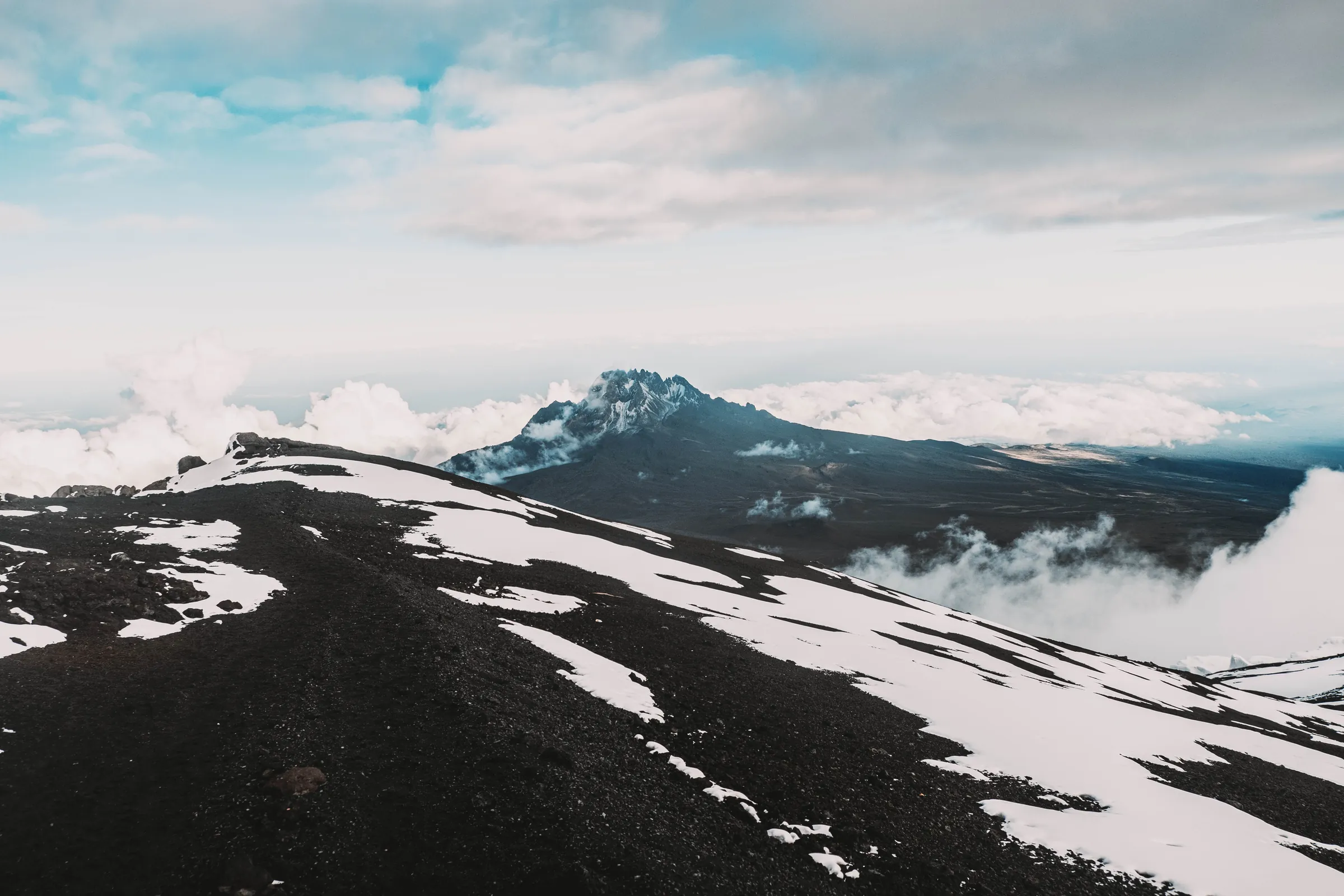
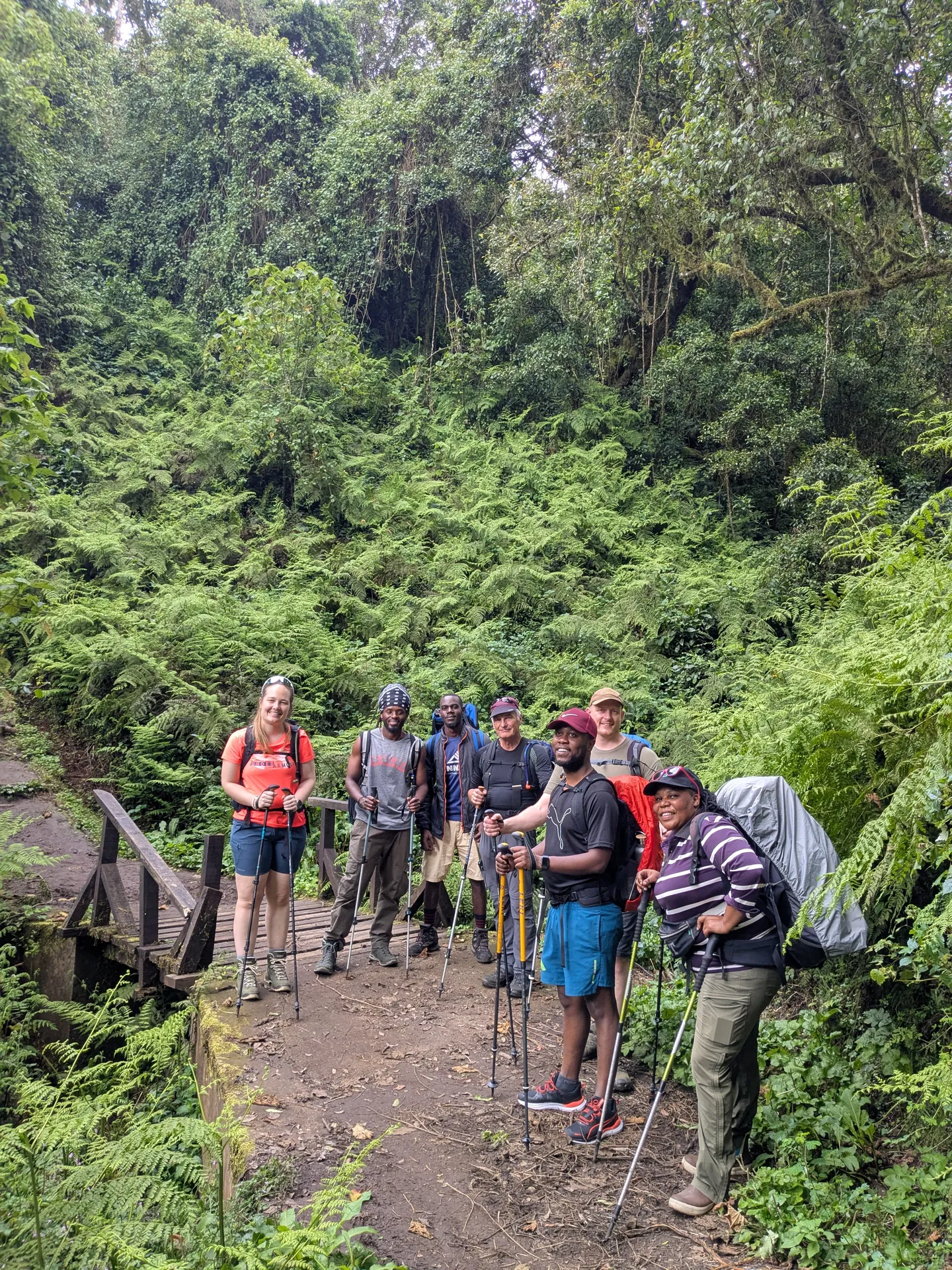
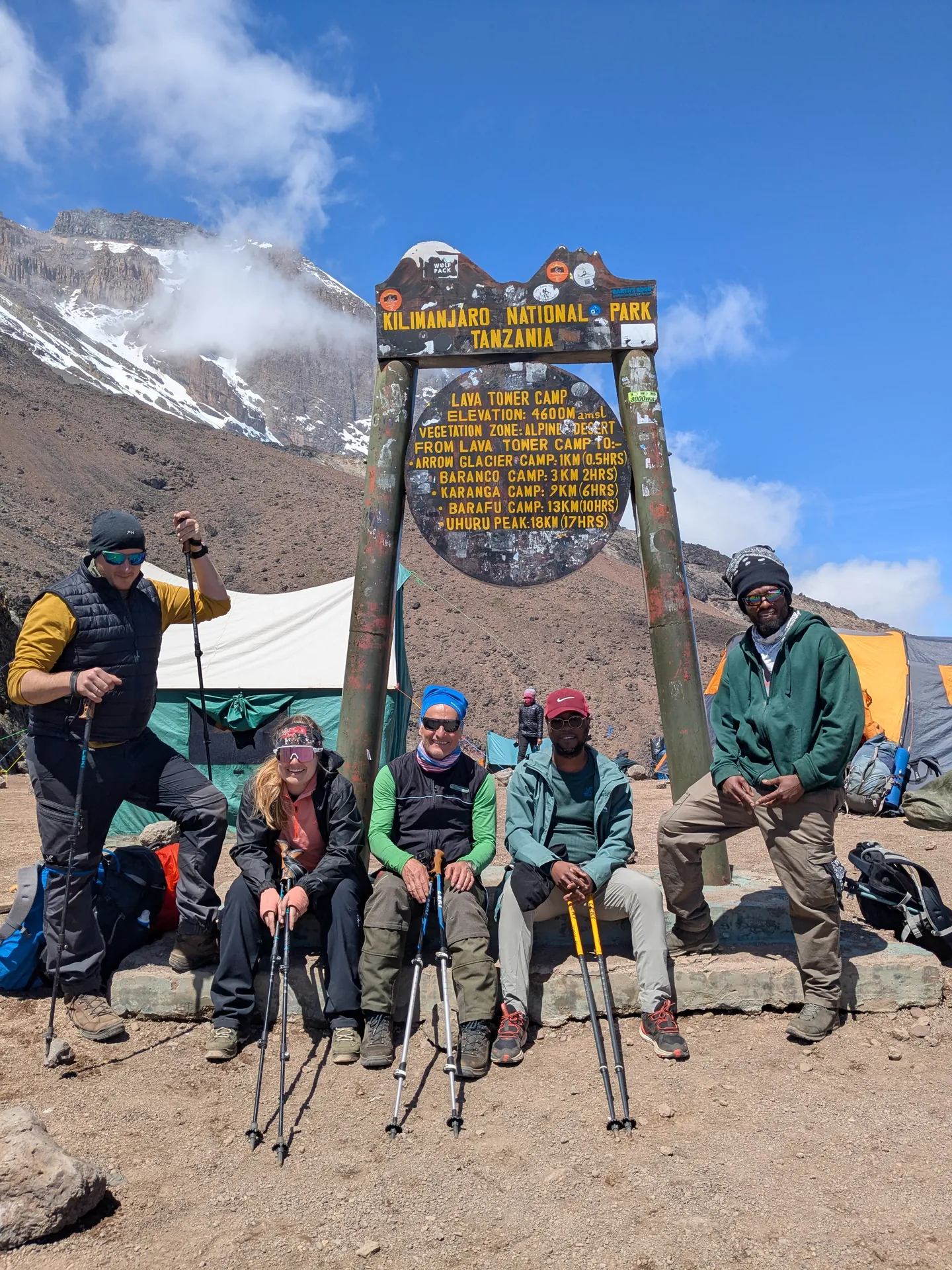
Forest paths, higher ground and the people alongside you. These moments come from our expedition photo collection; each climb follows its own conditions and pace.
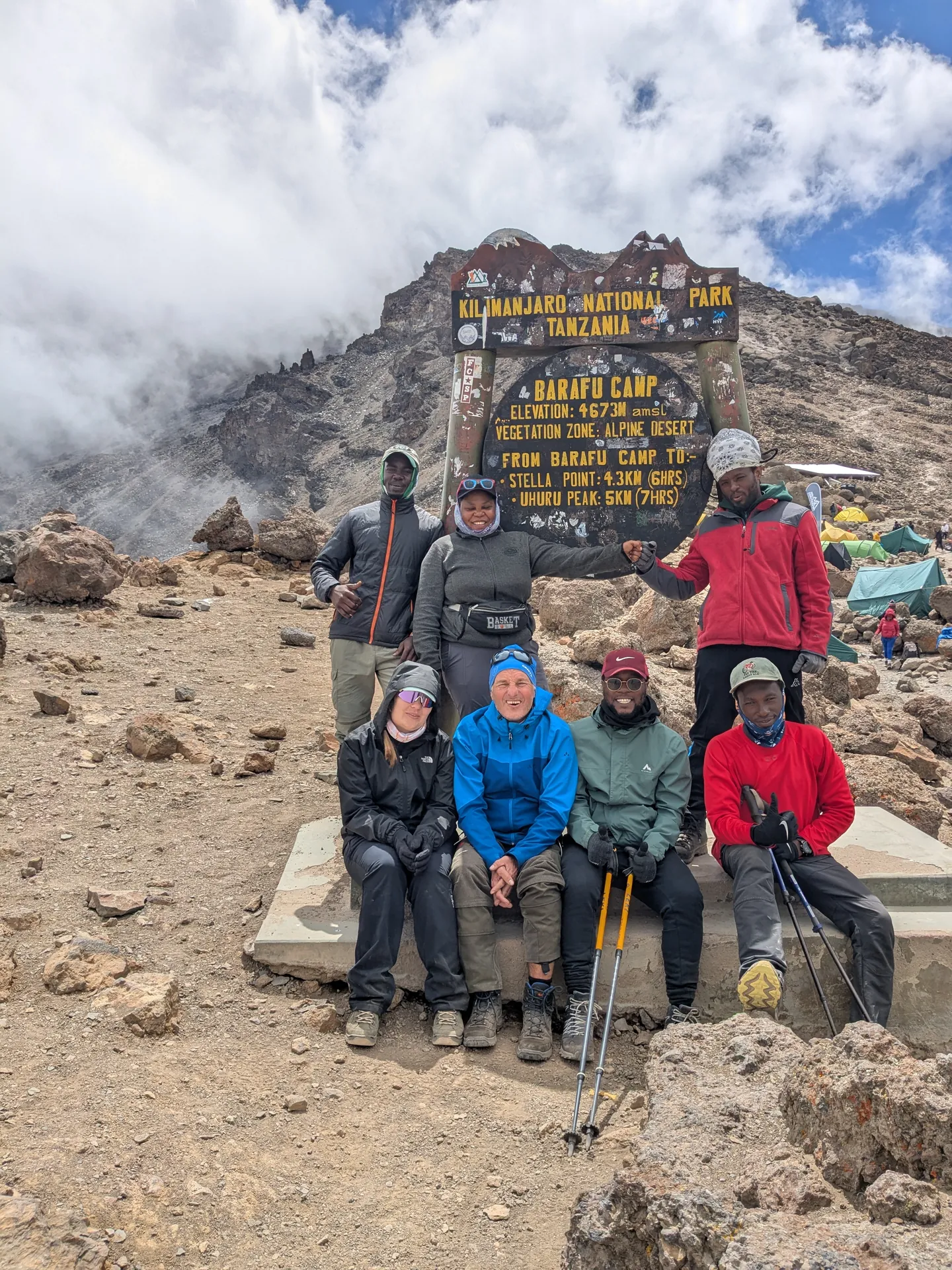
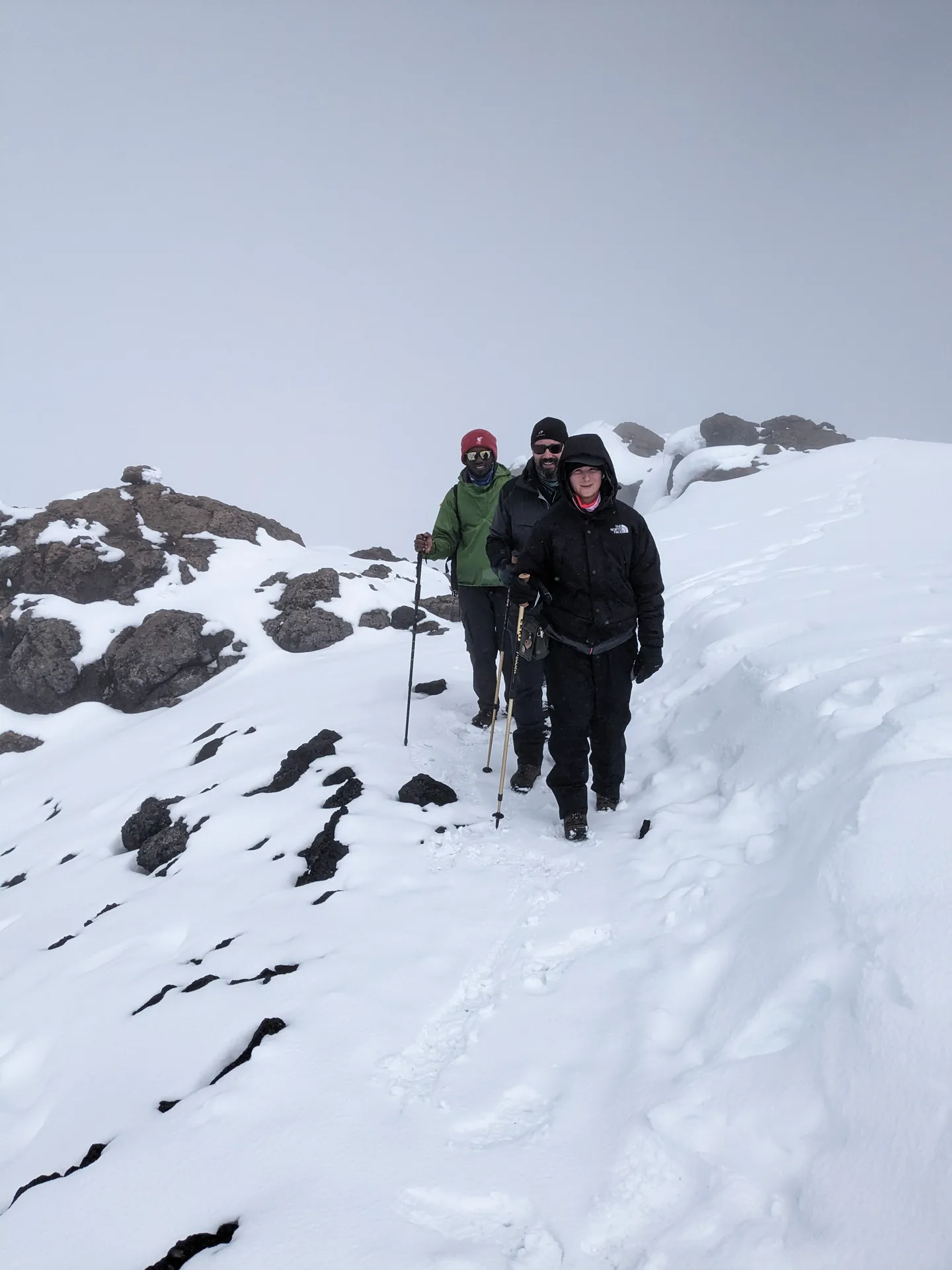
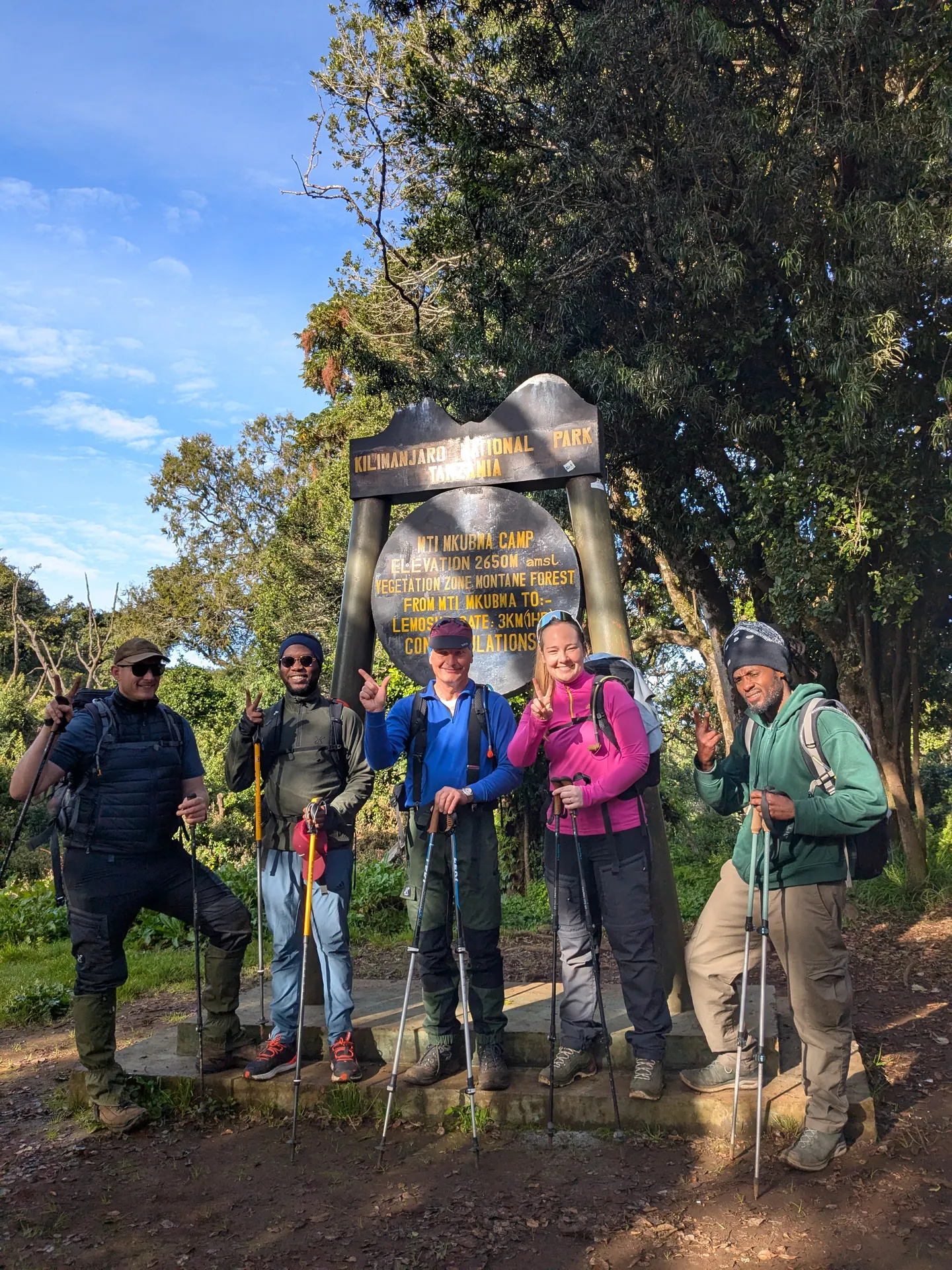
Through the rainforest, with the mountain team beside you.A pause at Lava Tower on the higher part of the trail.Guests and guides at Barafu, the staging camp for the summit attempt.A guided group on Kilimanjaro’s snowy upper slopes.
03 / The crew behind the climb
A summit is a team achievement
Guides who decide well. Mountain crew who make it possible.
Behind every climber is a disciplined mountain operation: route planning, camp movement, meals, water, weather judgement and human encouragement.
01
Before the mountainRoute choice, training guidance, gear review and arrival support.
02
On the mountainExperienced leadership, measured pacing, nourishing meals and daily wellbeing checks.
03
After the summitA safe descent, crew celebration and a soft landing back in town.
Kilimanjaro will never become a hotel, and it should not pretend to be one. Our premium expedition adds privacy, warmth, organization and recovery support where those comforts genuinely improve the climb.
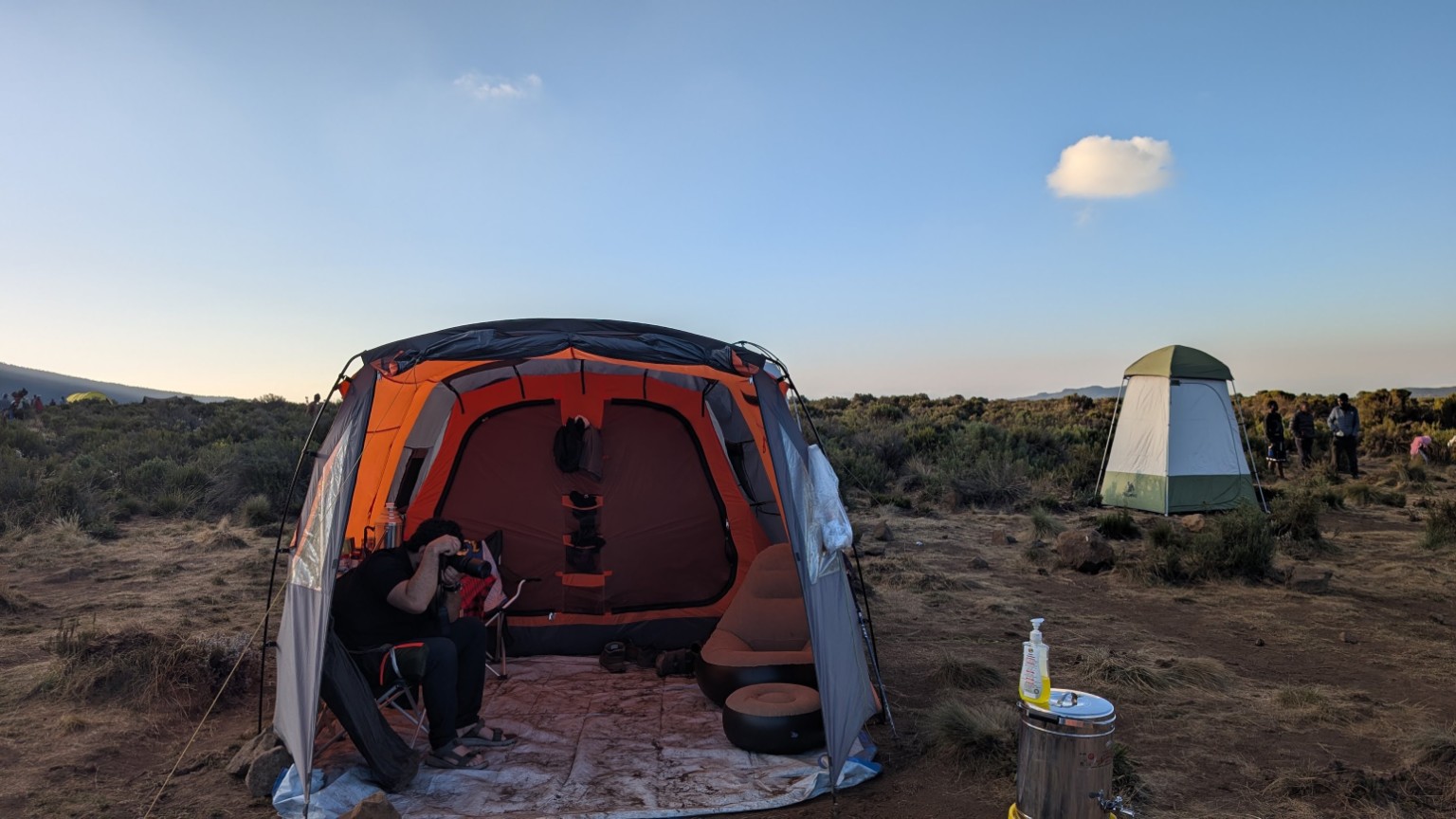
A private lounge setup photographed on a Pinnacle mountain expedition.
Signature comforts
Hot shower. Sofa lounge. A camp designed around recovery.
After hours on the trail, small details matter: somewhere sheltered to sit, warm water when conditions permit, a properly prepared sleep system and fewer camp decisions competing for your energy.
01Hot-shower serviceWarm water and a private shower enclosure, subject to campsite water, weather and park conditions.02Furnished sofa loungeA sheltered social space for tea, briefing, conversation and post-trek recovery.03Upgraded sleep systemA roomier tent, camp cot, insulated mattress and careful nightly preparation.
01
Private expedition
A climb designed around your party, preferred route and available time.
02
Enhanced crew ratio
Additional camp support for the more demanding premium setup and personal service.
03
Private toilet tent
A dedicated chemical toilet and maintained private enclosure at camp.
04
Mountain dining
A varied hot menu, generous snacks and hot drinks planned around appetite and recovery.
05
Charging plan
Pre-arranged power-bank and solar support for essential personal electronics.
06
Gear concierge
Pre-climb inspection, packing support and selected rental coordination before the gate.
07
Private transfers
Dedicated airport, hotel and trailhead movements without shared departure logistics.
08
Two hotel nights
One night before and one after the trek in a 4–5-star hotel, with the property and room basis confirmed in your proposal.
09
Shared WFR safety standard
All Pinnacle mountain guides assigned to Basic and Premium expeditions are Wilderness First Responder (WFR) certified. Both service levels carry emergency oxygen, pulse oximeters and mountain first-aid kits.
10
Our crew commitment
Completed Basic climbs contribute 1% and Premium climbs 7% of their fully paid package price to Pinnacle’s crew welfare and savings programme. Every registered crew member on the final roster receives one equal share.
07Pillars
05 / The summit system
Reaching Uhuru begins before summit night
Summit success is not luck. It is a complete system.
Fitness matters, but it cannot force acclimatization. Explore how time, pacing, altitude awareness, nutrition, equipment, recovery, leadership and team culture work together in the Pinnacle Kilimanjaro Summit System™.
Mount Meru is a beautiful hut-based mountain journey. Oldonyo Lengai is a steep, demanding active-volcano climb. They are entirely different experiences—and neither should be treated as a smaller version of Kilimanjaro.
USD is our base currency. EUR and GBP are indicative conversions.
4 days / 3 nightsArusha National Park
Mount Meru
A quieter volcanic trek through forest, open moorland and a dramatic summit ridge, finishing at Socialist Peak—Tanzania's second-highest summit.
High point4,566 m
Mountain styleHut based
FitnessStrong
Day 01
Momella Gate → Miriakamba Hut
Complete park formalities, meet the ranger team and begin through the lower slopes and montane forest.
Day 02
Miriakamba → Saddle Hut
Climb above the forest toward the saddle. When conditions, time and energy allow, add an acclimatisation walk toward Little Meru.
Day 03
Socialist Peak → Miriakamba
Make a pre-dawn summit attempt, traverse the upper ridge and descend to Miriakamba for the night.
Day 04
Miriakamba → Momella Gate
Descend through the park, meet your private transfer and return to Arusha or Moshi.
3 days / 2 nightsLake Natron
Oldonyo Lengai
A raw night ascent of the Maasai “Mountain of God”—an active volcano with loose, relentlessly steep ground and an extraordinary sunrise objective.
High point2,962 m
Mountain styleNight climb
FitnessVery strong
Day 01
Arusha → Lake Natron
Travel into the Rift Valley, meet the local mountain team, inspect equipment, receive a route briefing and rest early.
Day 02
Oldonyo Lengai night ascent
Begin around midnight in the cooler hours, climb toward the crater rim for sunrise, then make a careful descent and recover at Lake Natron.
Day 03
Lake Natron → Arusha
After breakfast and recovery, add a gentle local experience only if energy and conditions allow, then return to town.
The mountain is waiting
Choose the right route—and the right level of support.
Tell us your fitness, experience, available time and preferred comfort. We will give you the honest expedition recommendation.
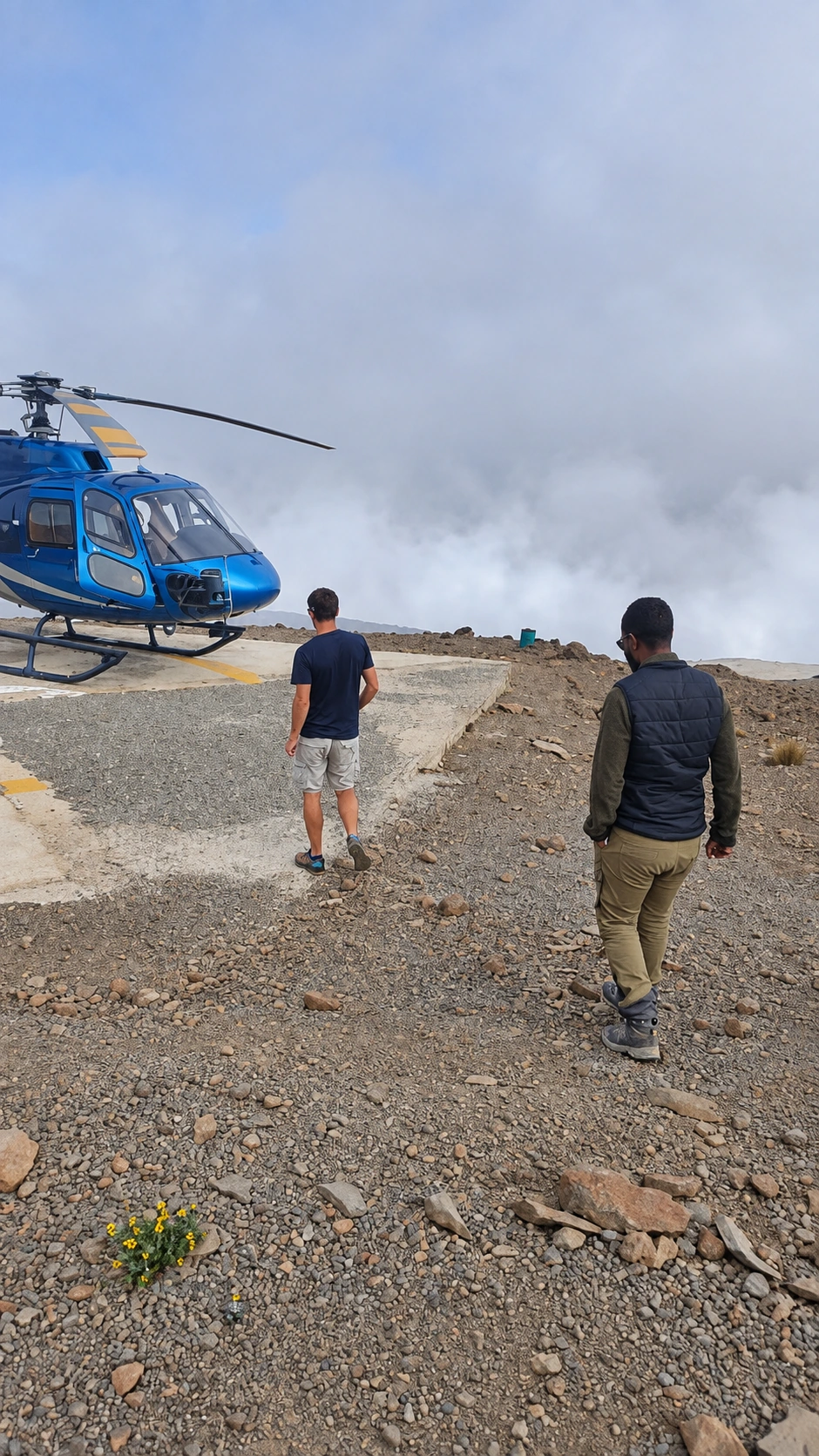
Helicopter evacuation on request through Pinnacle.
Pinnacle can help request helicopter evacuation through an external aviation provider when needed. This is a separately charged service: helicopter flights, medical care and onward transfers are not included in Basic or Premium package prices unless your written quote expressly says otherwise.
Availability is subject to the provider’s operational approval, aircraft availability, weather, landing access and aircraft limitations. A request does not guarantee a flight or a response time. Your guides will follow the available evacuation plan; urgent descent and ground evacuation must not be delayed while waiting for an aircraft.
Before travel, confirm with your insurer that your policy covers the booked activity, your maximum altitude—including Uhuru Peak at 5,895 metres where applicable—helicopter search and rescue, medical evacuation and treatment. Check exclusions, payment authorisation and any excess. Share your policy and emergency-assistance details with Pinnacle. Costs not accepted by the insurer remain payable by the guest.
Helicopter access on the mountain. Flights are arranged with an external provider and charged separately.
Budget before you travel
Mountain crew tipping with clear expectations.
Tips are customary and appreciated, but voluntary. These are Pinnacle’s suggested planning ranges for good service, not compulsory fees. Tips are additional to your package price unless your written quote expressly includes them, and never replace wages or determine the care you receive.
Mountain rates are the whole group’s tip to each crew member—not a charge to every climber.
Role
Suggested amount
Basis
Lead guide
US$20–25
Per guide, per mountain day
Assistant guide
US$15–20
Per guide, per mountain day
Cook
US$15–20
Per cook, per mountain day
Porter
US$8–10
Per porter, per mountain day
Specialist porter
US$10–15
Per person, per day performing the extra role
Calculate each role’s daily rate × number of people in that role × days worked, then add the amounts and divide the group total among the climbers. Specialist roles can include summit assistance, toilet care or camp service; use the specialist rate instead of adding a second full porter tip for the same day.
Example: two climbers on a seven-day trek with one lead guide at US$25/day, one assistant at US$20/day, one cook at US$20/day and eight porters at US$10/day would budget US$1,015 for the whole group, or US$507.50 each. This illustrates the calculation, not a promised crew size. Solo climbs and larger Premium teams can cost more per guest; Meru and Lengai use their own confirmed rosters and days.
Pinnacle will confirm the crew roster and a suggested tip breakdown before departure. At the end of the trek, give labelled envelopes directly to each crew member where practical. If tips are pooled for distribution, agree and record the total and each allocation with the crew present. No management deductions should be taken from tips.
Pinnacle’s company-funded 1% Basic and 7% Premium Kilimanjaro crew welfare contributions are separate from guest tips. They are not deducted from tips and do not replace them. Read the crew programme.
Cash in Tanzanian shillings or accepted US-dollar notes is practical; agree the currency and conversion beforehand. Prepare smaller denominations. EUR and GBP amounts depend on the exchange rate, so agree any equivalent rather than assuming the website’s package conversion applies to tips.