Who it suits
For fit walkers comfortable with steep terrain, a long summit day and shared mountain huts. Meru is a rewarding objective in its own right. It is not an easy substitute for Kilimanjaro.
A complete mountain journey in Arusha National Park: forest, hut evenings and a demanding summit ridge. Four days allow a lower overnight stop after the summit attempt before the final descent.
For fit walkers comfortable with steep terrain, a long summit day and shared mountain huts. Meru is a rewarding objective in its own right. It is not an easy substitute for Kilimanjaro.
The upper ridge is exposed and the summit attempt takes place partly in darkness. Your guide decides whether conditions and your progress allow continuation. Four days still involve substantial altitude gain.
The itinerary below includes three hut nights and a lower Miriakamba overnight after the summit attempt. This spreads the descent over two days.
Enquire about four daysDay 1 reaches Miriakamba; Day 2 reaches Saddle Hut; Day 3 combines the summit attempt, full descent to Momella Gate and return transfer. It is a substantially longer final day, with only two hut nights. We assess fitness, pace and conditions before confirming.
Enquire about three daysJoin us on the trail, from the first climb to the morning views.
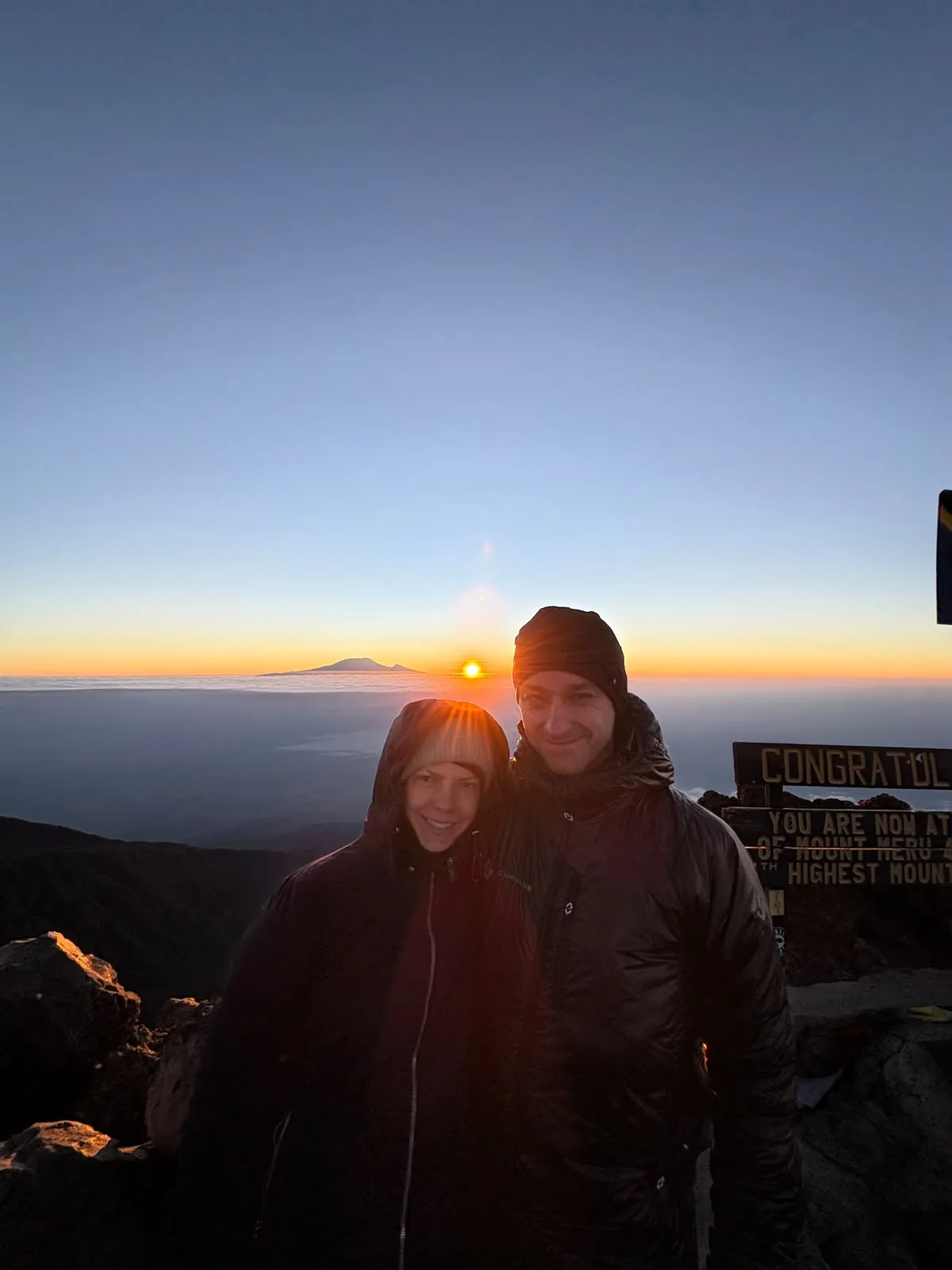
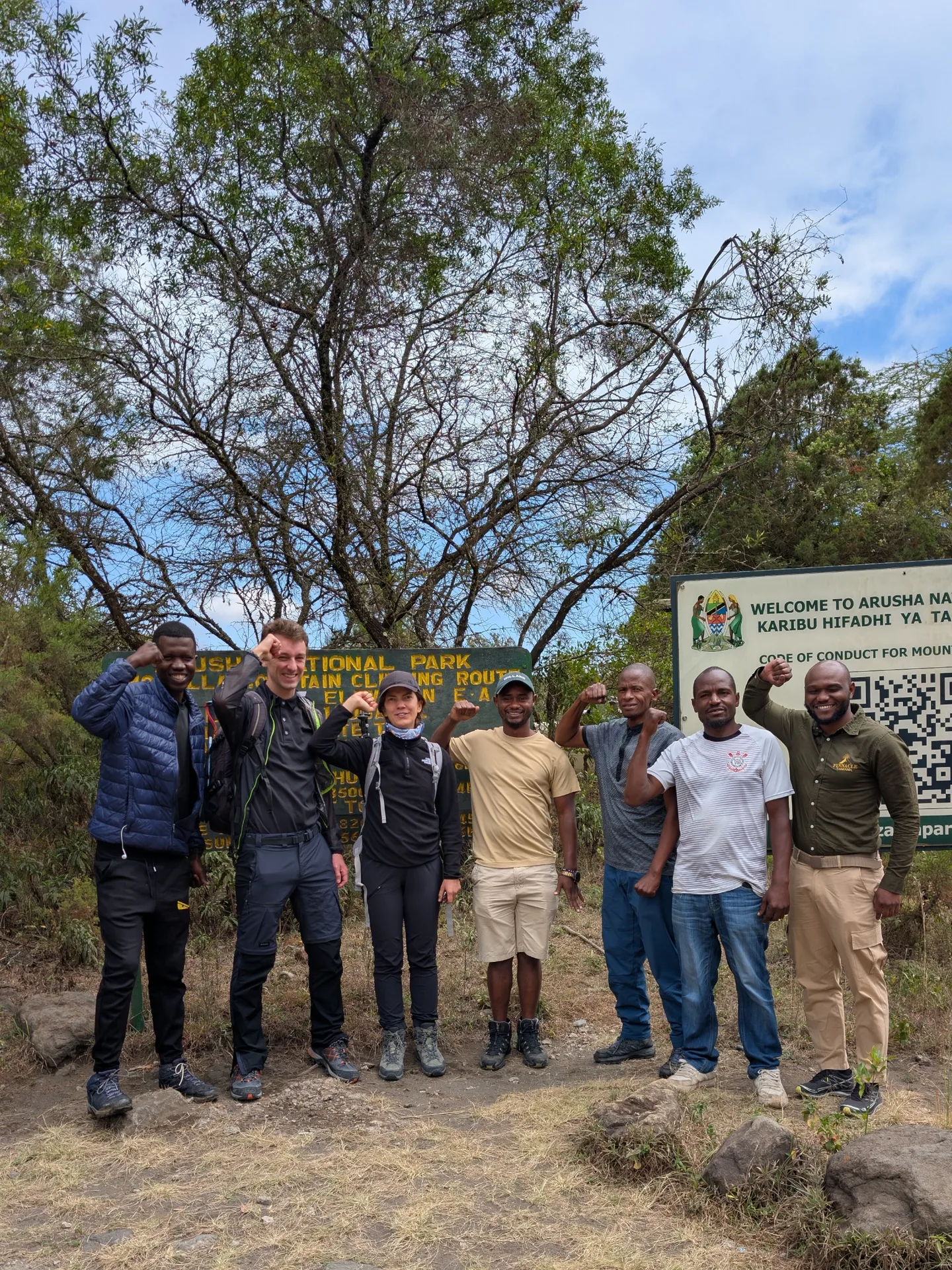
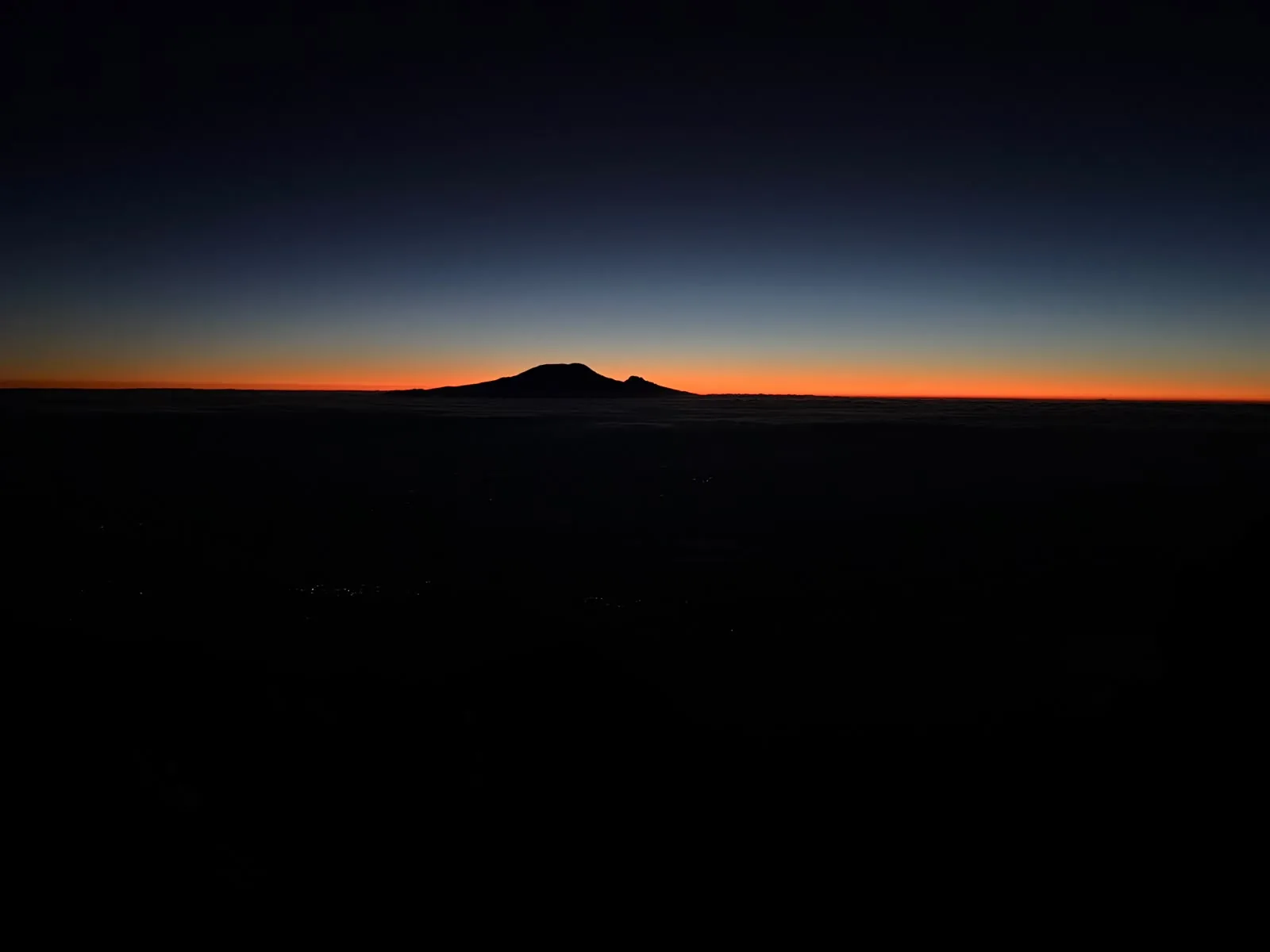
This is the proposed itinerary. Your written proposal confirms accommodation, inclusions and any changes for your dates. Conditions and safe operating decisions can change the daily plan.
Drive to the park, complete registration and meet the ranger and mountain team. Walk through the lower slopes to your first hut, with the route selected according to park guidance.
Overnight: Miriakamba Hut · about 2,500 m
Shared hut accommodationClimb steadily toward Saddle Hut. If time, energy and conditions allow, your guide may include a walk toward Little Meru before returning for dinner and rest.
Overnight: Saddle Hut · about 3,570 m
Higher sleeping altitude; report symptoms promptlyStart during the night for the upper ridge and summit attempt. Return to Saddle for a break, then descend to Miriakamba for a lower final mountain night.
Overnight: Miriakamba Hut
The longest day, with a major descent after the attemptComplete the descent through the park, meet your driver and return to the agreed town. Keep the rest of the day flexible for recovery and onward arrangements.
Overnight: Hotel or onward programme as quoted
Four-day trek concludesThe final written quote is the agreement on services and costs. Please check room sharing, transfers, meals, fees and any optional upgrades before confirming.
Drier periods usually provide a more practical starting point for planning, but weather on the ridge can change quickly. We discuss the forecast, park arrangements and your experience before the climb.
Meet the team before departure for an equipment and route briefing. Choose Arusha or Moshi as the starting point in your quote. Airport transfers and hotel nights can be included around the four trekking days.
Train for sustained ascent and a long descent. Bring broken-in boots with good grip and trekking poles if you use them.
Pack a suitable sleeping bag, headlamp with spare power, warm layers and waterproofs. Shared huts are simple mountain accommodation.
Lower paths pass through wildlife habitat. Stay with the team and follow the park ranger's instructions.
Meru can form part of a longer mountain trip, but it adds effort as well as altitude exposure. Plan recovery time rather than assuming it guarantees acclimatization.
This programme keeps a Miriakamba overnight after the summit attempt, spreading the descent over two days. TANAPA's Arusha guide describes this four-day progression.
No. Health, footing, weather and the team's judgement govern the attempt.
Yes. Compare both starting prices above. The three-day option uses two hut nights, then combines the summit attempt and the full descent on Day 3. The four-day option retains the lower Miriakamba overnight after the summit attempt.
Yes. Allow time to recover, then continue into a private safari or another separately planned experience.
Mountain huts are normally shared. We confirm current availability and arrangements before you book.
Pinnacle can help request helicopter evacuation through an external aviation provider when needed. This is a separately charged service: helicopter flights, medical care and onward transfers are not included in Basic or Premium package prices unless your written quote expressly says otherwise.
Availability is subject to the provider’s operational approval, aircraft availability, weather, landing access and aircraft limitations. A request does not guarantee a flight or a response time. Your guides will follow the available evacuation plan; urgent descent and ground evacuation must not be delayed while waiting for an aircraft.
Before travel, confirm with your insurer that your policy covers the booked activity, your maximum altitude—including Uhuru Peak at 5,895 metres where applicable—helicopter search and rescue, medical evacuation and treatment. Check exclusions, payment authorisation and any excess. Share your policy and emergency-assistance details with Pinnacle. Costs not accepted by the insurer remain payable by the guest.
Ask Pinnacle about evacuation arrangements and extra charges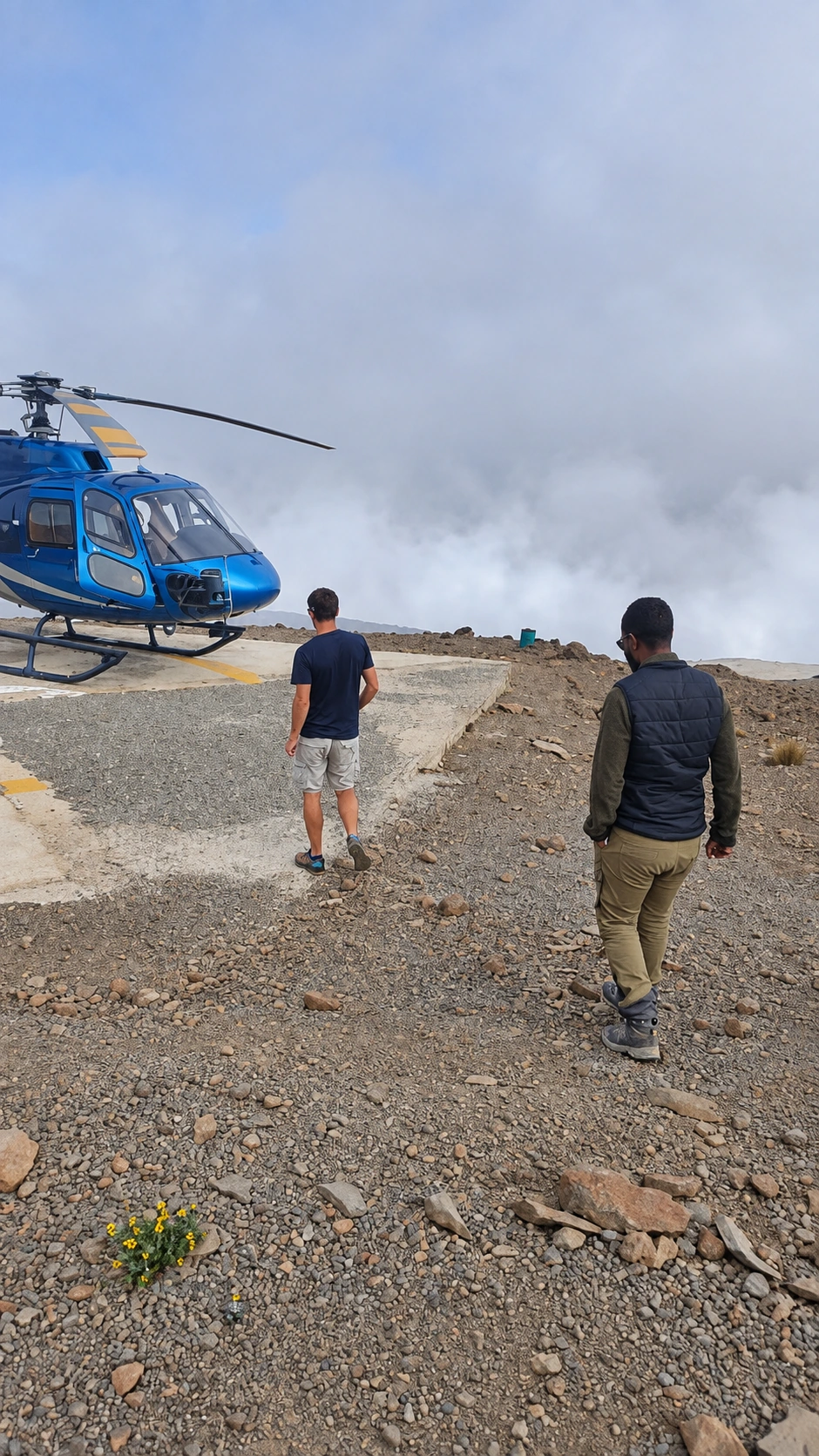
Tips are customary and appreciated, but voluntary. These are Pinnacle’s suggested planning ranges for good service, not compulsory fees. Tips are additional to your package price unless your written quote expressly includes them, and never replace wages or determine the care you receive.
| Role | Suggested amount | Basis |
|---|---|---|
| Lead guide | US$20–25 | Per guide, per mountain day |
| Assistant guide | US$15–20 | Per guide, per mountain day |
| Cook | US$15–20 | Per cook, per mountain day |
| Porter | US$8–10 | Per porter, per mountain day |
| Specialist porter | US$10–15 | Per person, per day performing the extra role |
Calculate each role’s daily rate × number of people in that role × days worked, then add the amounts and divide the group total among the climbers. Specialist roles can include summit assistance, toilet care or camp service; use the specialist rate instead of adding a second full porter tip for the same day.
Example: two climbers on a seven-day trek with one lead guide at US$25/day, one assistant at US$20/day, one cook at US$20/day and eight porters at US$10/day would budget US$1,015 for the whole group, or US$507.50 each. This illustrates the calculation, not a promised crew size. Solo climbs and larger Premium teams can cost more per guest; Meru and Lengai use their own confirmed rosters and days.
Pinnacle will confirm the crew roster and a suggested tip breakdown before departure. At the end of the trek, give labelled envelopes directly to each crew member where practical. If tips are pooled for distribution, agree and record the total and each allocation with the crew present. No management deductions should be taken from tips.
Pinnacle’s company-funded 1% Basic and 7% Premium Kilimanjaro crew welfare contributions are separate from guest tips. They are not deducted from tips and do not replace them. Read the crew programme.
Cash in Tanzanian shillings or accepted US-dollar notes is practical; agree the currency and conversion beforehand. Prepare smaller denominations. EUR and GBP amounts depend on the exchange rate, so agree any equivalent rather than assuming the website’s package conversion applies to tips.

© 2026 Pinnacle Tanzania Operators Limited · Trading as Pinnacle Tanzania