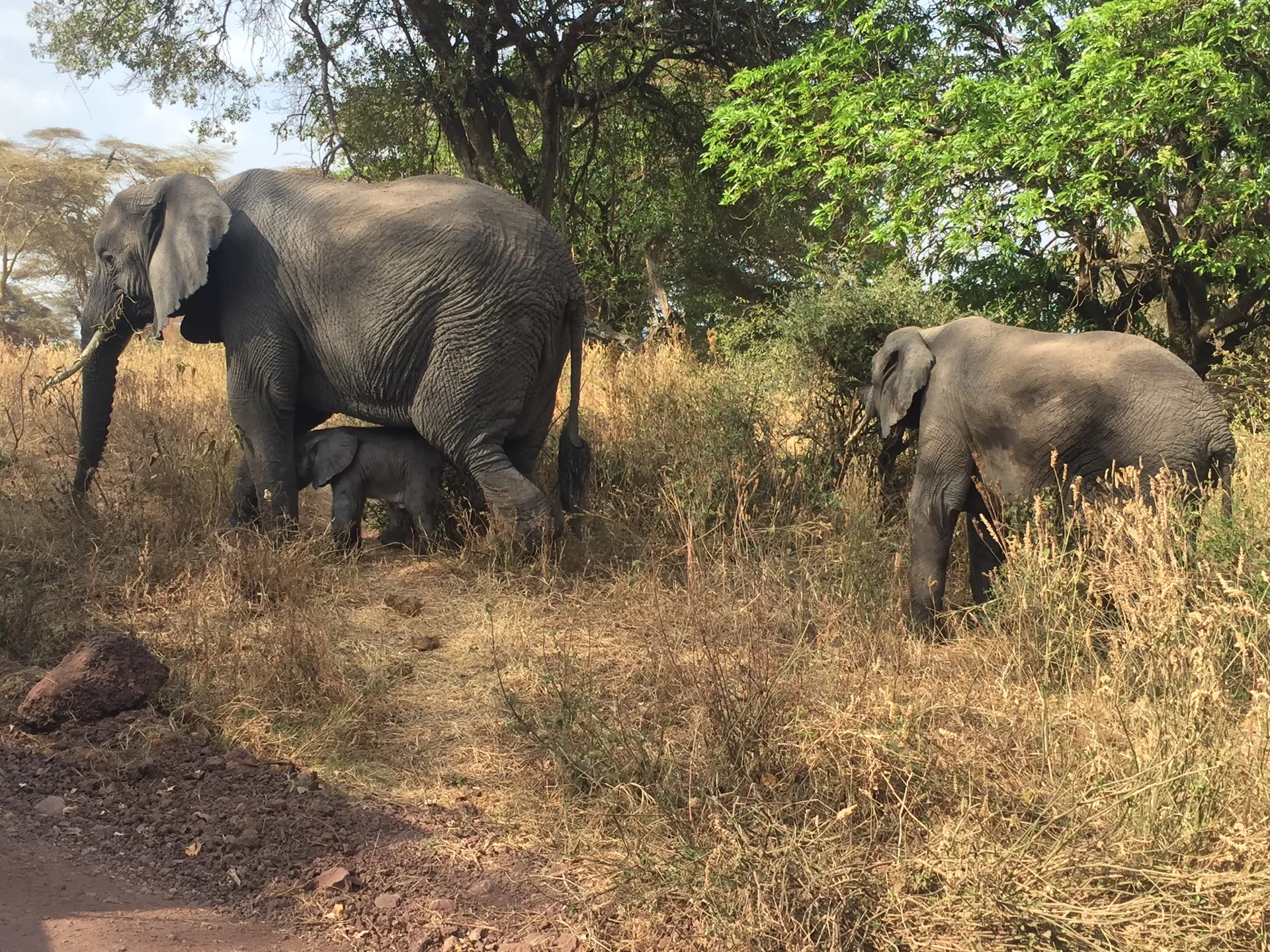
An elephant with a small calf and another elephant in Tanzanian woodland
Student travel & learning · Schools, colleges & universities

Tanzania becomes
your classroom.

Purposeful journeys. Practical learning. Experiences that stay with students.

Request an institutional proposal
Private programmes · Local perspectives · Shared discoveryTanzania · East Africa
Beyond the classroom

Start with curiosity.
Build a journey with purpose.

Arrange a planning call ↗

Take learning beyond the classroom into Tanzania’s landscapes, communities and living heritage. From wildlife observation on safari to conversations with local hosts and the challenge of a carefully planned mountain expedition, a journey can help students connect what they study with what they see, question and experience.

Pinnacle Tanzania works with schools, colleges, universities and learning organisations to shape private travel programmes around the group’s educational purpose, age range, budget and available time. Start with what you want your students to learn. Together, we build a journey that gives those outcomes room to happen.

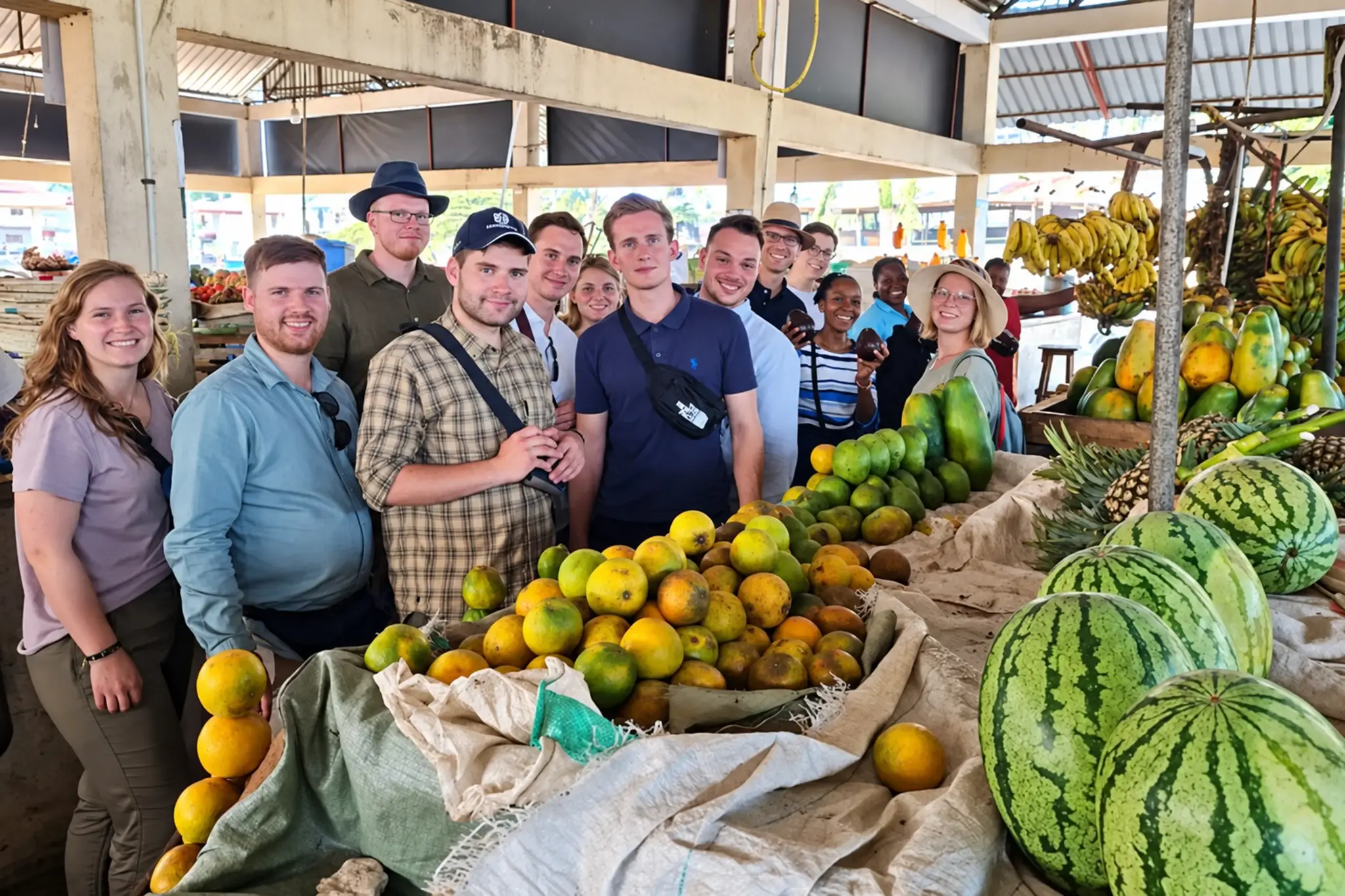
A student travel group meeting local hosts beside a colourful fruit stall in a Tanzanian market
Learning through local markets, livelihoods and everyday Tanzania.
Begin with the learning objective

Make room
for the questions.

A strong educational trip needs more than a busy itinerary. It needs a clear purpose, suitable activities, time to reflect and a practical plan that teachers can assess before committing.

Tell us your subject focus and desired outcomes. We can shape a proposal around guided observation, host-led visits, discussion and group reflection. Your institution leads the curriculum and assessment; Pinnacle plans the agreed travel arrangements and identifies visits that need host approval.

Five ways to learn

Choose your
learning pathway.

Learning pathway01

Wildlife, ecology & conservation

Explore habitats, observe wildlife behaviour and discuss the relationship between conservation, tourism and local livelihoods. A safari programme can make space for student observation journals, guided questions and daily discussion. Visits to conservation organisations or specialist talks are included only after the relevant host confirms access and availability.

Learning pathway02

Geography, landscapes & environmental change

Use Tanzania’s changing landscapes to explore landforms, water, agriculture and human settlement. Programmes may combine accessible walks, guided landscape interpretation and visits along the Kilimanjaro foothills or northern safari circuit. Choose the route around the group’s ability and learning focus; demanding terrain is assessed separately.

Learning pathway03

Culture, history & language

Meet Tanzania through local perspectives, cultural heritage and everyday life. Host-led visits, coffee experiences and heritage walks can introduce students to livelihoods, traditions and the questions that respectful travel raises. Encounters should be built on consent, fair payment and listening. Hosts decide what they wish to share; people are not exhibits.

Learning pathway04

Agriculture, enterprise & tourism

Connect classroom ideas with how local businesses operate. Subject to host agreement, a programme can include farm or producer visits and discussions about production, customer service, tourism operations and community livelihoods. Each visit needs a defined educational purpose and an agreed format that respects the host’s work.

Learning pathway05

Leadership, teamwork & outdoor challenge

Build shared responsibility through appropriately chosen outdoor experiences. Students can practise preparation, communication and reflection on guided day activities or a suitable trekking programme. Kilimanjaro is a demanding high-altitude expedition requiring a separate suitability review and detailed planning. A summit is never guaranteed; sound decisions and team welfare define success.

Programme ideas to shape together

A starting point.
Built around your group.

These are starting concepts, not fixed packages. Durations, access, activities and costs are confirmed in the written proposal. Research access, accreditation, clinical work and institutional partnerships are not implied.

Kilimanjaro foothills learning journey

Educational focus
Culture, farming, geography and local enterprise
Planning approach
Accessible activities and host-led visits, matched to student ages

Northern Tanzania wildlife study tour

Educational focus
Ecology, wildlife observation and conservation questions
Planning approach
Safari days with guided questions, observation and reflection

Tanzania culture and coastal heritage

Educational focus
History, language, livelihoods and cultural understanding
Planning approach
Agreed cultural encounters and heritage visits, with time for discussion

Student leadership expedition

Educational focus
Preparation, teamwork, resilience and judgement
Planning approach
Age-appropriate outdoor activities; mountain expeditions assessed separately

University field visit

Educational focus
A defined discipline or research question
Planning approach
Institution-led academic work; permissions, hosts and specialist support agreed in advance
An illustrative five-day programme

Moshi & the foothills.
One theme, explored in depth.

See how a learning purpose can shape the days—not just fill them. This example is a planning concept, not a booked itinerary, fixed package or confirmation of any host’s access. Arrival timings, activity suitability, hosts, permissions, transport and accommodation are agreed for your group before booking.

Day 01

Arrive, settle in & agree the questions

Arrive in Moshi, settle into the proposed accommodation and review the group’s travel plan with your trip leader. Use an institution-led briefing to set learning questions, expectations and a reflection format.

Learning focus: Preparation, shared responsibility and the purpose of the visit.

Day 02

Local markets & the work behind a product

Make time for guided observation at a suitable local market and an agreed producer or coffee visit. Any host discussion needs prior consent and a format that respects the working day; students can record observations without collecting personal information.

Learning focus: Livelihoods, production, trade and respectful listening.

Day 03

Read the Kilimanjaro foothills landscape

Choose an appropriately guided day activity around the foothills, with the walking level and transport matched to the students. Use what the group observes to discuss landforms, agriculture, water and settlement. Conditions and access determine the final route.

Learning focus: Geography, observation and connections between people and place.

Day 04

Explore enterprise through an agreed theme

Build the day around a host-approved visit or discussion related to the institution’s chosen theme, such as agriculture, local enterprise or tourism. Your teachers lead the academic questions and connect the experience with classroom learning; the host and format must be confirmed first.

Learning focus: Applying ideas, asking better questions and considering different perspectives.

Day 05

Reflect, share & continue the journey

Set aside time for student presentations or group reflection before the agreed departure transfer. Identify what changed in the students’ understanding and which questions they want to pursue at home.

Learning focus: Reflection, communication and carrying the learning forward.

Use this as a starting point, not a prescription.

Your institution defines the curriculum, supervision and assessment. Tell us which learning pathway matters most, your age range, dates, student and adult numbers, and available budget. We will shape the travel proposal around that brief and identify arrangements that still require host approval.

Adapt this example for our institution ↗
The details behind a worthwhile trip

A proposal your
leadership team can assess.

What your institution can ask us to plan

Your proposal can specify arrival and departure transfers, accommodation, meals, guiding, park visits, ground transport and agreed host visits. Every inclusion and exclusion should be named, with the programme’s educational purpose visible in the daily schedule.

Before confirmation, agree the accommodation and rooming arrangements, vehicle allocation, travel times, activity demands, dietary and accessibility needs, supervising adults, communication arrangements and emergency response responsibilities. Specialist sessions, interpreters and host organisations require a separate availability check.

Pinnacle handles the travel services agreed in writing. Your institution retains its student supervision, safeguarding, parental consent and academic responsibilities. The division of responsibilities must be explicit before anyone travels.

Clear arrangements before approval

Ask for a day-by-day programme with learning themes, itemised pricing, named inclusions, exclusions and booking terms. The planning pack should also identify long travel days, physical demands, required permissions, cancellation conditions and the responsibilities of the school, Pinnacle and any participating hosts.

For groups with minors, agree supervision arrangements, accommodation suitability, parental consent requirements, photography permissions and the procedure for concerns or incidents. Relevant risk assessments, guide qualifications and emergency arrangements should be documented for the proposed activities before the institution approves the trip.

Read the booking conditions ↗

Learn with communities respectfully

Educational travel should benefit the people who welcome a group. Visits must follow local priorities, respect privacy and avoid disrupting work or school routines. Photography requires permission, and personal stories should never be collected simply to create promotional content.

Community visits are not automatically volunteering placements. Any service-learning component needs a named host, an agreed purpose, appropriate supervision and clear role boundaries. Teaching, healthcare and work involving children or vulnerable people require further checks and approvals before being offered.

For education volunteering, Pinnacle does not arrange volunteer activities or interactions involving students under 12. Proposed roles may support learners aged 12 and older only, with teacher-led supervision and the required checks. This age policy applies to volunteering roles; educational travel programmes are planned separately around the group’s age range.

Explore the separate volunteering pathways ↗
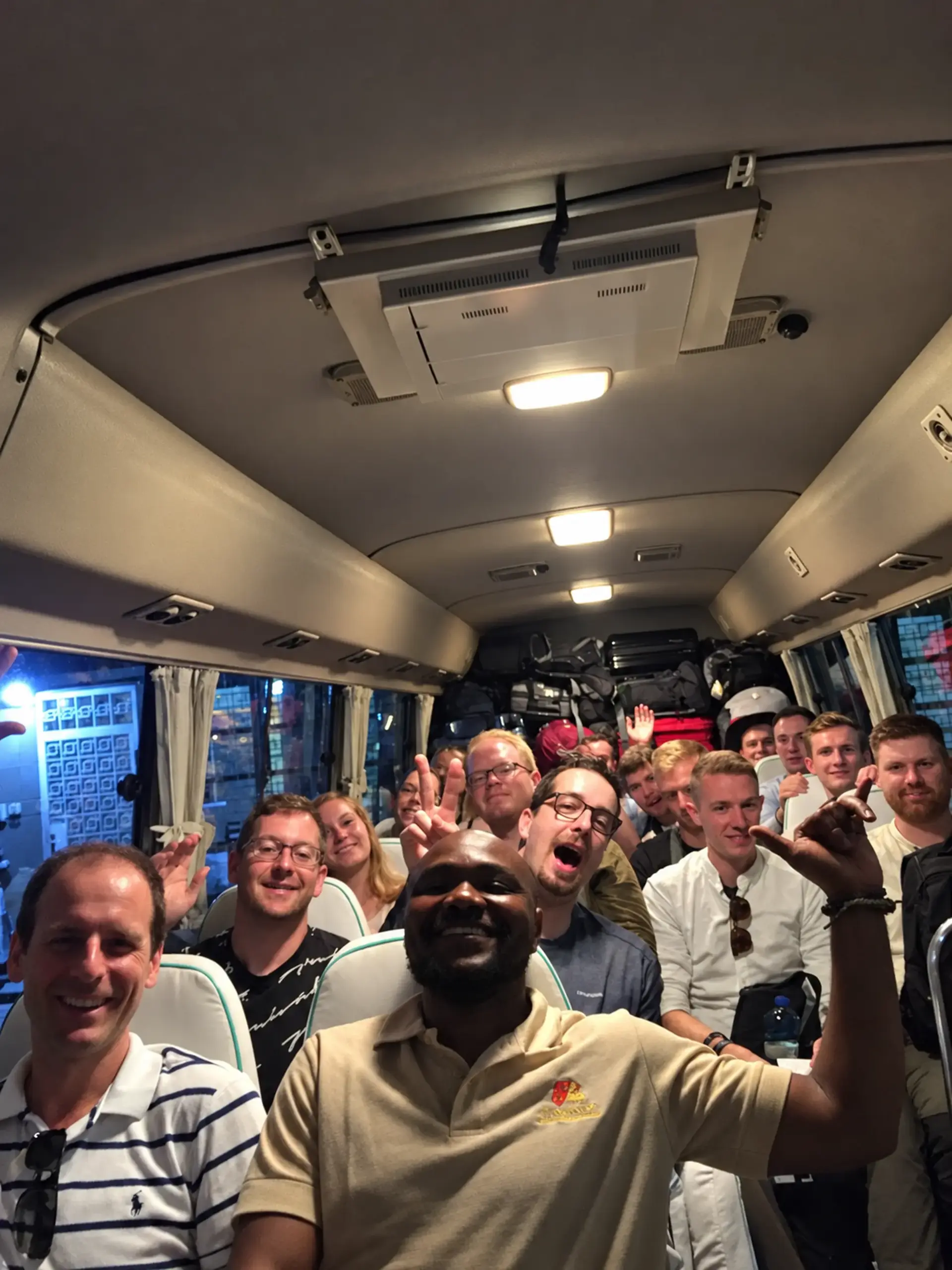
A student travel group and their guide smiling together inside a tour bus in Tanzania
Shared journeys, local leadership and the stories between destinations.
Your local planning partner

One Tanzania journey.
Thoughtfully coordinated.

Pinnacle Tanzania plans learning journeys across Tanzania with local specialists in each destination, connecting mountain, safari, cultural and coastal travel within one coordinated programme. Your group can focus on a single learning theme or combine experiences, with the pace and logistics planned around the people travelling.

The strongest starting point is a conversation between your trip leader and our Tanzania team. Tell us what a worthwhile experience looks like for your institution. We will use that brief to shape a practical proposal, with the arrangements and price confirmed in writing.

Bring us your brief

We will help build the journey.

Share your institution’s name, contact person, student age range, number of students and accompanying adults, preferred dates, trip length, learning objectives and indicative budget. Tell us about essential accessibility or dietary requirements without sending sensitive personal records in an initial enquiry.

info@pinnacletanzania.comWhatsApp +255 764 477 243