
Local priorities. Useful skills. Shared learning.

Volunteering
in Tanzania.

Pinnacle Tanzania helps prospective volunteers explore suitable host connections in education, agriculture and healthcare. Start with your skills, available time and the contribution a local institution identifies as useful.

Discuss a placement Enquiries welcome · Every placement requires host approval
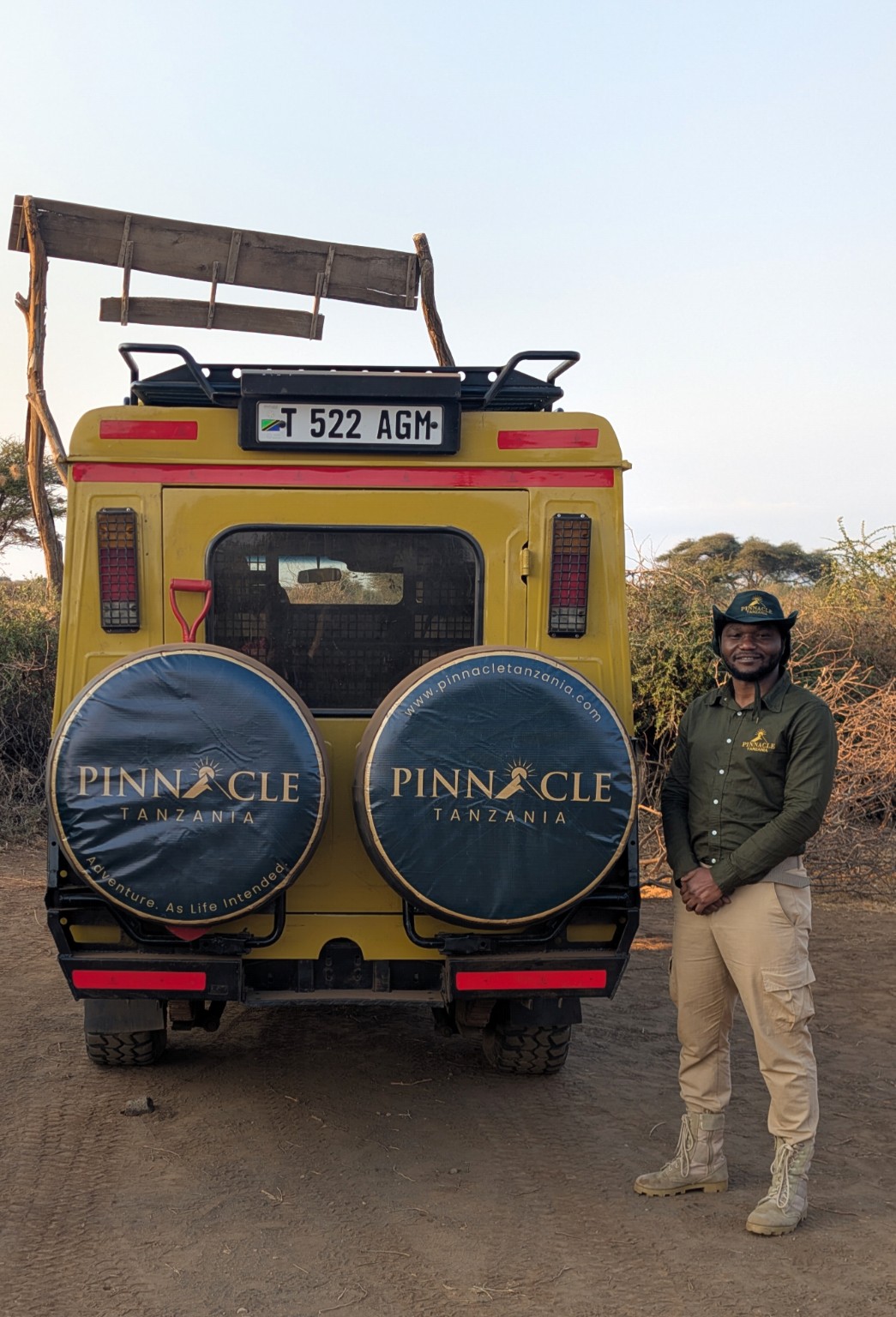
Frazier Msuya, founder of Pinnacle Tanzania, beside a safari vehicle
Your connection in TanzaniaFrazier Msuya

Founder of Pinnacle Tanzania, with a background in mountain work and social development.

Meet the team
01 / Find your contribution

Three ways to connect.
One shared responsibility.

These are areas to explore together. Any proposed role depends on an appropriate host, its current needs and your suitability. A specific institution, role, supervisor and start date must be agreed in writing before confirmation.

01

Education

Schools · Colleges · Learning programmes

Support the people who teach every day. We help explore connections with education institutions where your skills can serve an agreed learning need.

Possible areas of support

  • Classroom support and reading activities under a teacher’s direction
  • Digital literacy, learning materials and practical skills workshops
  • Professional exchange for qualified teachers and education specialists

Who may be a good fit: Teachers, education students and applicants with useful language, digital or vocational skills.

Pinnacle does not arrange volunteer activities or interactions involving students under the age of 12. Education volunteering may support learners aged 12 and older only. The institution sets the role, supervision and duration; teacher-led work, screening, safeguarding preparation and clear conduct rules remain required. Activities with students aged 12–17 require continuous supervision by authorised school staff; volunteers must never be left alone with a student. Volunteers support local staff and continuity of learning.

Enquire about education volunteering
02

Agriculture

Farms · Growers · Agricultural learning

Learn alongside Tanzanian growers and contribute to the work they identify as useful. The season, land and host’s priorities shape each opportunity.

Possible areas of support

  • Practical support with growing, composting or seedling care
  • Farm records, digital tools and producer communications
  • Skills exchange in soil, water use or farm planning where expertise fits

Who may be a good fit: Agriculture students, growers, agronomists and practical volunteers willing to learn from their hosts.

Activities depend on the host, season and your experience. Machinery, chemicals and animal handling need the host’s permission, training and suitable supervision.

Enquire about agriculture volunteering
03

Healthcare

Health institutions · Professional exchange

Help within a clearly defined role that protects patients and supports the local team. Clinical, student and non-clinical applications are considered separately.

Possible areas of support

  • Approved non-clinical tasks such as administration or educational resources
  • Institution-supervised observation for students when formally accepted
  • Professional exchange or clinical roles for suitably qualified and authorised practitioners

Who may be a good fit: Qualified healthcare professionals, students with institutional support, and applicants suitable for approved non-clinical roles.

No independent clinical practice for students or unqualified volunteers. Patient contact, observation and any treatment require the host’s approval, patient consent and all applicable professional permissions.

Enquire about healthcare volunteering

For clinical roles on the mainland, foreign medical, dental and allied health practitioners should review the Medical Council of Tanganyika’s registration requirements. Other professions and jurisdictions have their own regulators; the host must confirm the applicable route.

02 / A considered match

Your placement
starts with a conversation.

Useful volunteering takes preparation. We agree what you can contribute, who will guide you and what will happen when your placement ends.

  1. 01

    Tell us what you bring

    Share your preferred sector, dates, duration, experience, qualifications and learning goals through the enquiry form.

  2. 02

    Explore a suitable institution

    We discuss potential host needs and suitability. The institution reviews your profile and decides whether it can offer an appropriate role.

  3. 03

    Agree the details in writing

    Before confirmation, agree written host acceptance, duties, supervisor, schedule, qualifications, permissions, screening, safeguarding, costs, accommodation and cancellation terms. Document the support contact, complaints route, emergency procedures and responsibilities of Pinnacle, the host and the volunteer.

  4. 04

    Arrive prepared and work with the team

    Begin with orientation and the host’s rules. Follow your agreed scope and supervision, use the documented support and complaints contacts, raise concerns early and leave a useful handover for those continuing the work.

03 / Before you travel

Good intentions need
proper preparation.

Entry & permissions

Confirm the correct visa, residence and any work permissions with the host and Immigration before travel. An unpaid role does not remove these checks. The appropriate route depends on your nationality, assignment and duration.

Official Immigration guidance
Eligibility, screening & qualifications

Education volunteering may involve learners aged 12 and older only. Pinnacle does not arrange volunteer activities or interactions involving students under 12. Expect identity, reference and role-specific checks before acceptance. Child-facing and patient-facing roles need appropriate safeguarding checks. Qualifications and professional status must be verified where relevant.

Consent & dignity

Follow the host’s rules for confidentiality, photographs and contact with children or patients. Obtain appropriate consent. Participation in a placement never creates a right to publish someone’s story or image.

Costs & practical support

Before confirmation, request an itemised cost breakdown covering host charges, coordination, accommodation, meals and transport, with inclusions, exclusions and cancellation terms. Check that your insurance covers your actual volunteer activities, and obtain personal health advice before travel.

Supervision & emergency support

The host must name an accountable supervisor and agree your duties, induction, hours and role boundaries. Confirm the local support contact, emergency response and escalation responsibilities in writing before a placement is accepted.

Concerns, safeguarding & handover

Agree how to report a concern or complaint, including safeguarding issues, and who will respond. The host, Pinnacle and volunteer must understand incident reporting, monitoring, early exit and handover arrangements before confirmation.

Start with our Tanzania visa application guide for official application links. The host and relevant authorities must confirm the requirements for the proposed role; an enquiry or host invitation does not itself grant permission to work.

04 / Common questions

Choose with
clear expectations.

Will volunteers work with students under 12?

No. Pinnacle’s education volunteering policy excludes any arranged volunteer activity or interaction involving students younger than 12. Proposed learner-facing roles may support students aged 12 and older only, with teacher-led supervision, screening, safeguarding and written host approval. This is a Pinnacle programme policy; age alone does not make a role suitable.

Is a placement guaranteed when I enquire?

No. We first review your skills, dates and expectations, then explore a suitable host connection. There are no guaranteed vacancies or start dates. A placement can be confirmed only after written host acceptance and agreement on the role, supervisor, screening, permissions, costs and support arrangements.

How long should I volunteer?

The host’s needs and induction requirements determine a useful minimum commitment. Share the time you can realistically give. If it is too short for a responsible placement, we will discuss a more suitable learning visit or another option.

Do I need experience?

Some supervised support roles may suit newcomers; specialist roles require relevant training and experience. Clinical healthcare work requires the appropriate qualifications and authorisation. Tell us your background so we can assess the fit honestly.

Is volunteering free?

Do not assume so. Accommodation, transport, coordination, permits, insurance or host charges may apply. Request a written cost breakdown, inclusions and cancellation terms before making a commitment. Any donation should be separately identified.

Can I combine volunteering with a safari or Kilimanjaro?

Yes, we can plan travel around an accepted placement. Confirm the institution’s schedule first and place leisure activities outside your agreed responsibilities.

Education · Agriculture · Healthcare

What could you contribute?

Tell us your skills and the time you can give. We will begin with an honest discussion about the right fit.

Start your volunteering enquiry