Who it suits
For experienced, fit hikers who are comfortable with very steep, loose ground, darkness and a demanding descent. It is not a casual sunset walk or a beginner-friendly add-on.
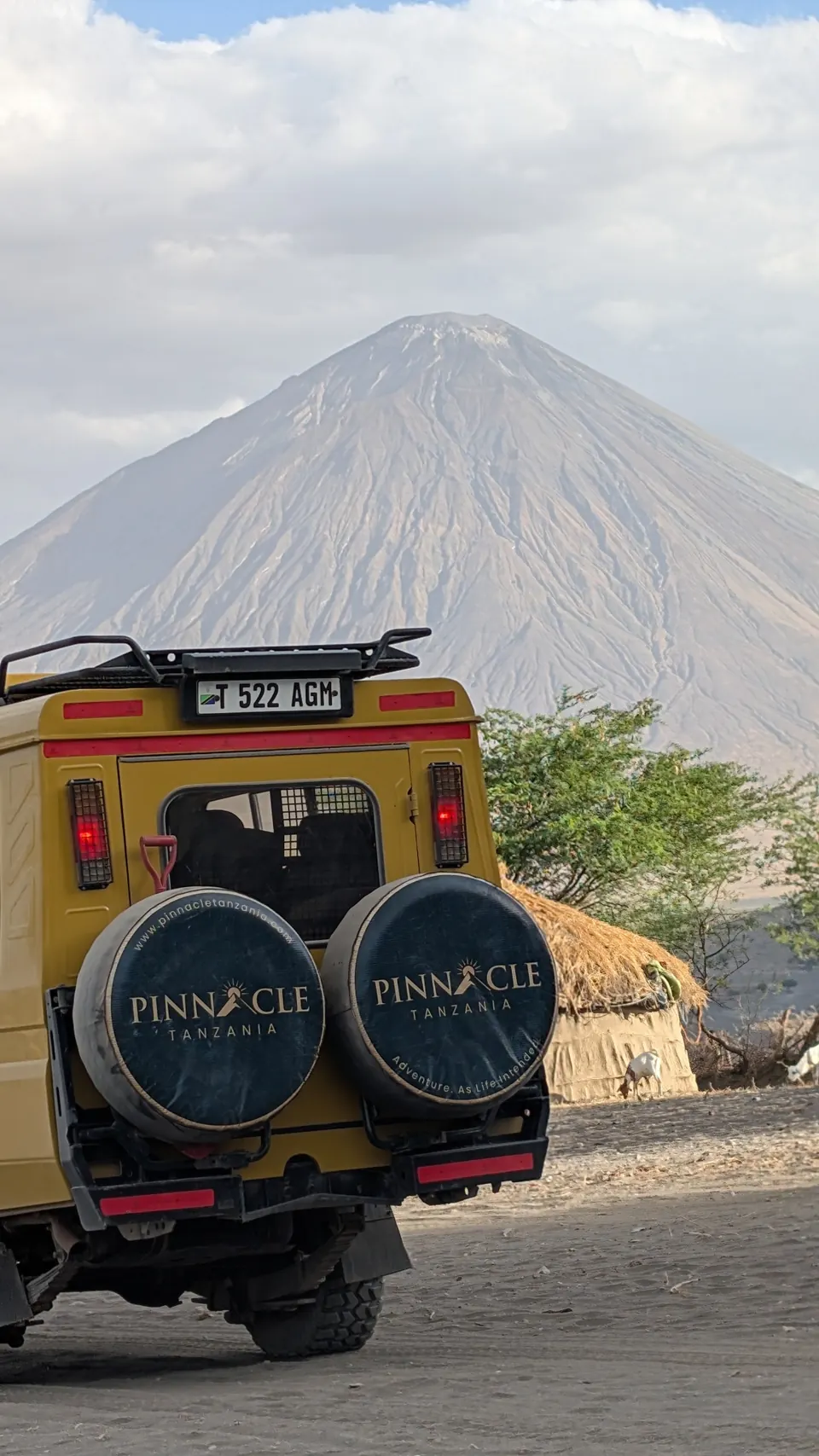
Travel into the Lake Natron landscape for a demanding ascent of the Maasai Mountain of God. Also written Oldonyo Lengai, this active volcano calls for strong fitness, careful local judgement and flexible expectations.
For experienced, fit hikers who are comfortable with very steep, loose ground, darkness and a demanding descent. It is not a casual sunset walk or a beginner-friendly add-on.
The volcano is active. Access, volcanic conditions, weather and guide assessment must be checked for your dates. The climb may be changed or cancelled; this itinerary does not promise crater access or visible lava.
A personal account of the wider Lake Natron journey. The activities described here are memories from this visit; your own itinerary and optional experiences are confirmed in your written proposal.
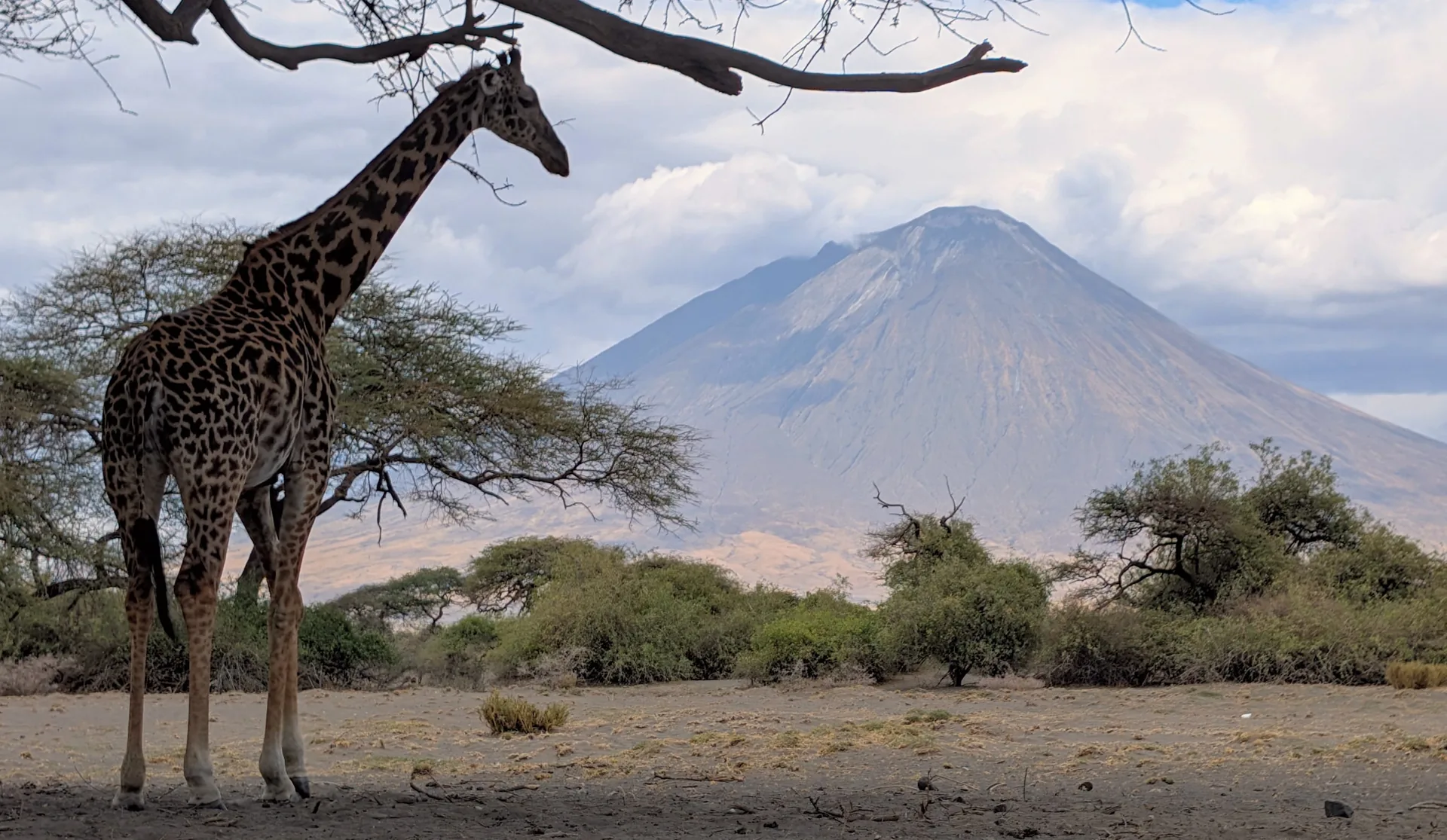
We drove towards Engaresero as the sun set along the edge of the Rift Valley. Zebras crossed the road, and young Maasai herders tended cattle, sheep and goats. The landscape gave me a powerful sense of deep time; the people we met made the welcome personal.
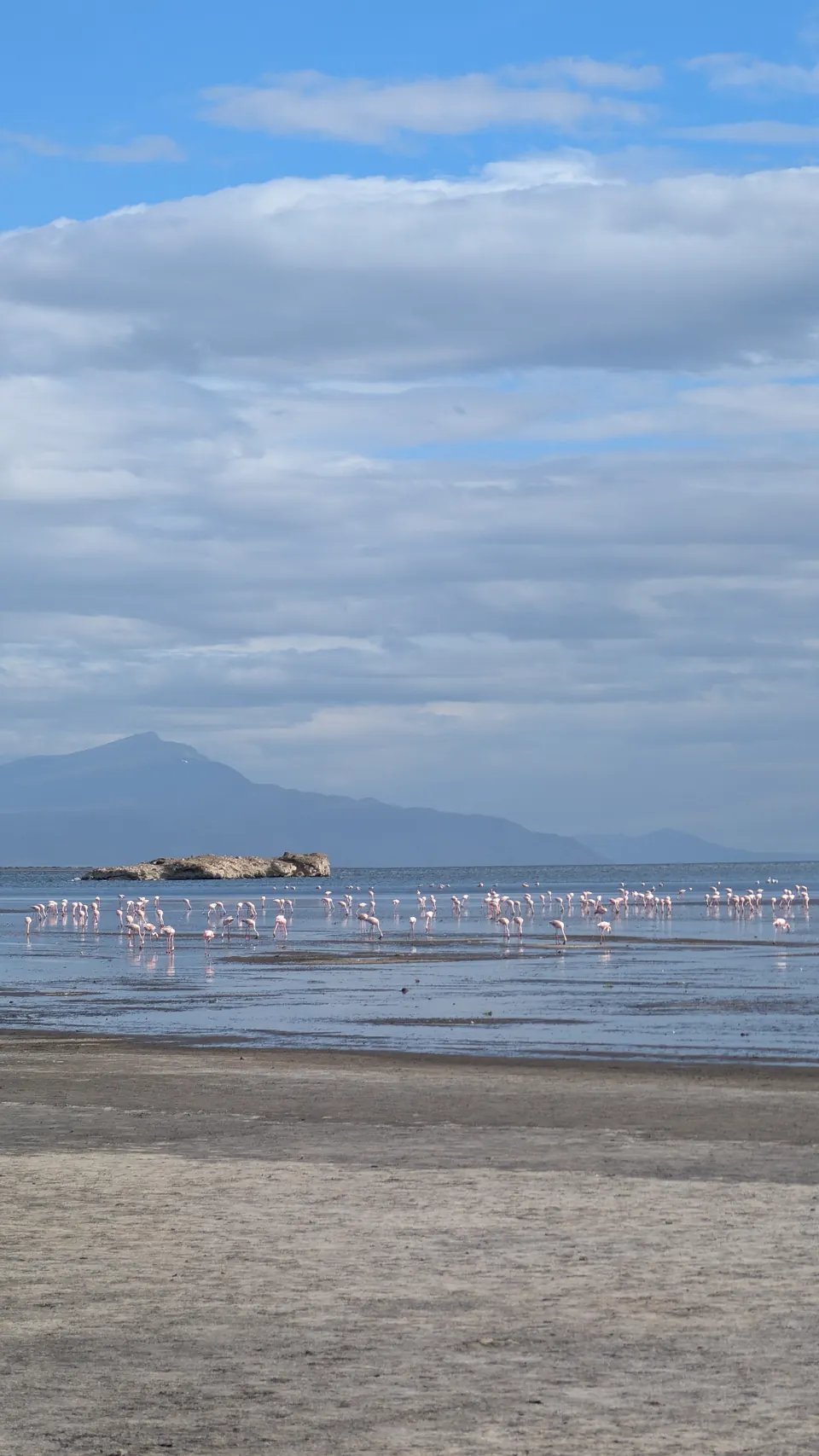
The next day, our local Maasai guide brought Lake Natron to life, sharing knowledge of the flamingos and the landscape around us. In the afternoon, we visited the Engare Sero human footprints. After the vastness of the lake, these traces of people walking across the landscape felt especially moving.
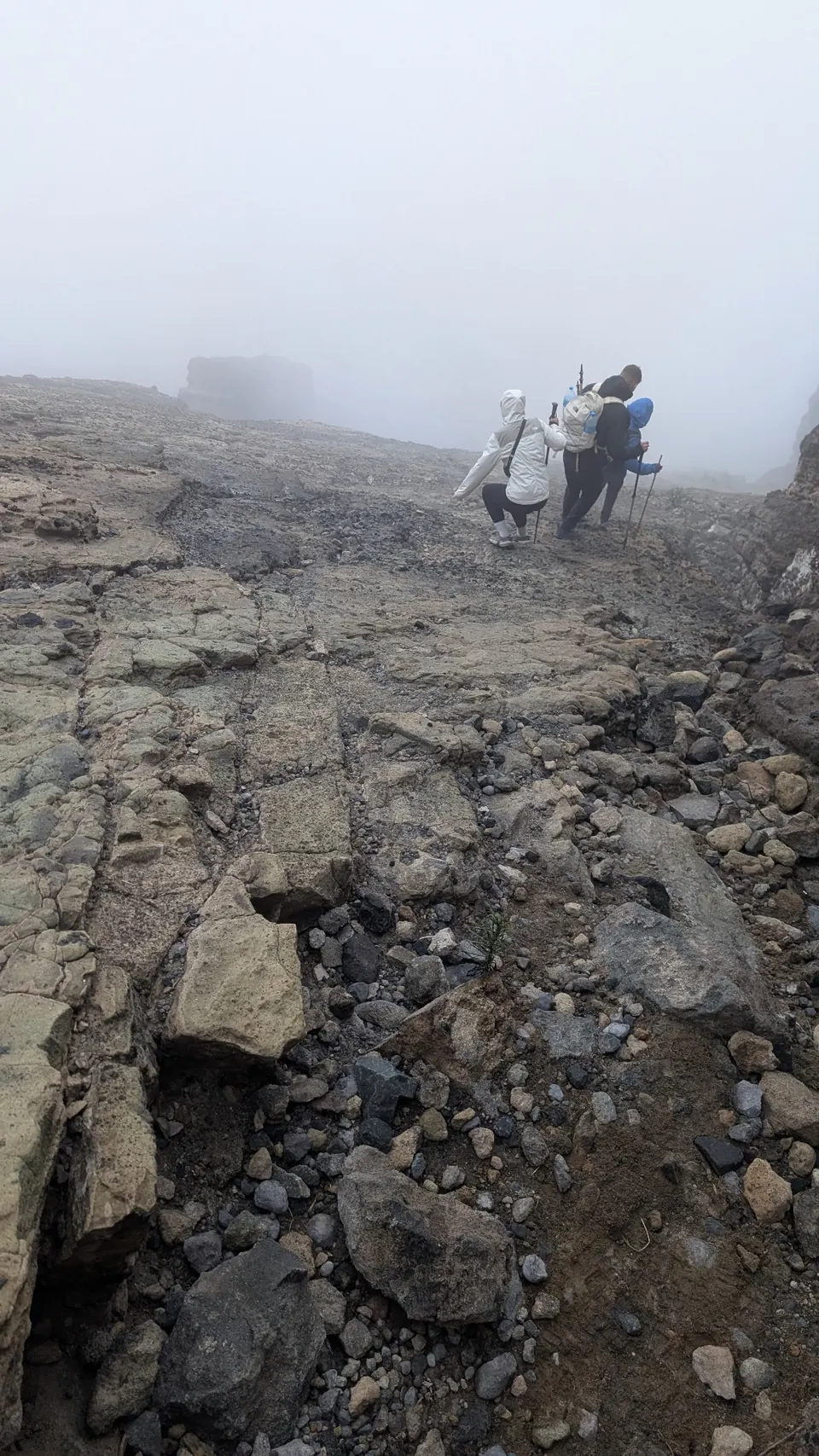
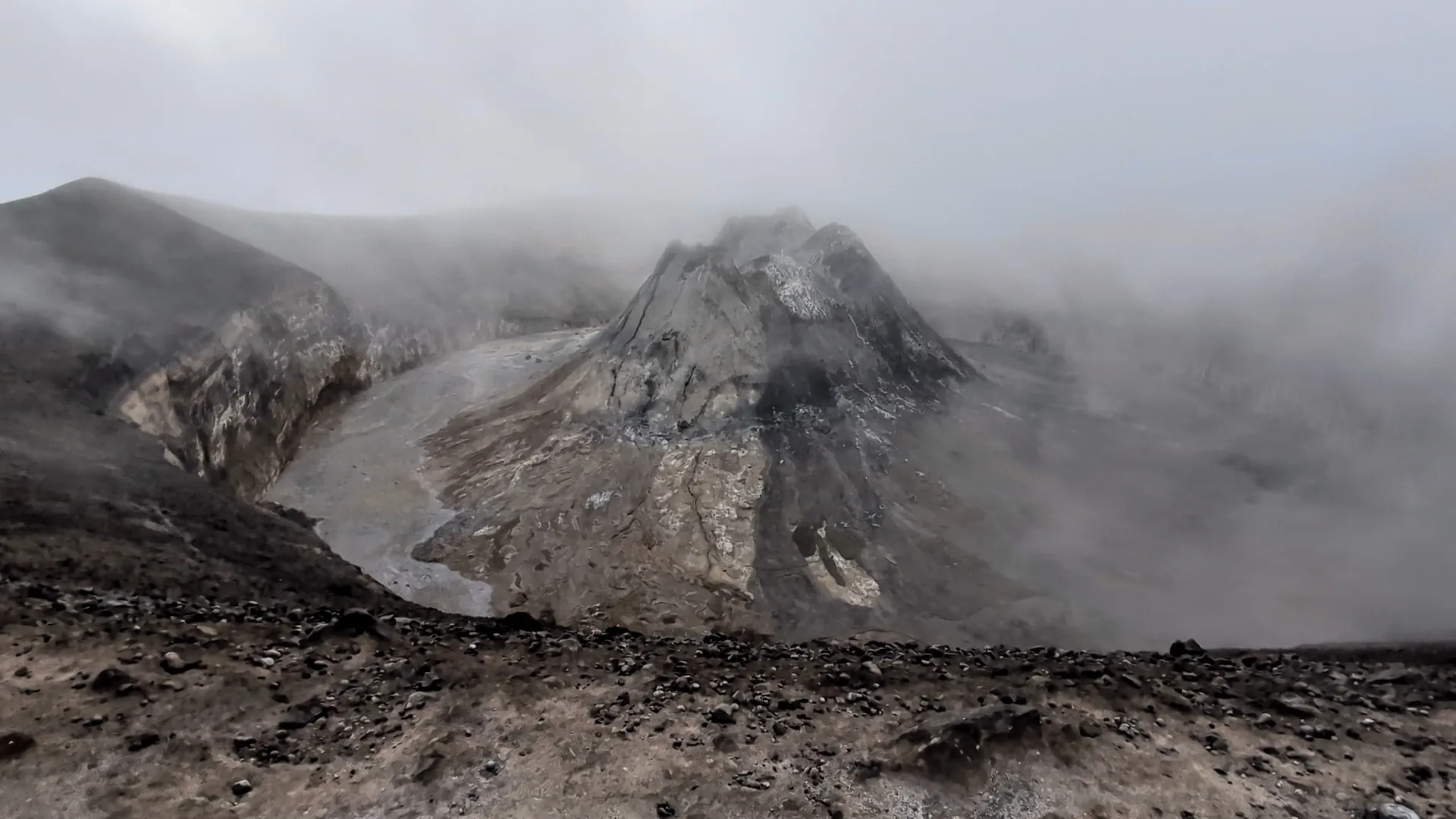
We began our ascent close to midnight, aiming for sunrise on the Mountain of God. This was a demanding climb, followed by a steep descent that called for concentration. What stayed with me was the wind, the bubbling sounds and the presence of an active volcano. To me, it felt like a conversation among the gods.
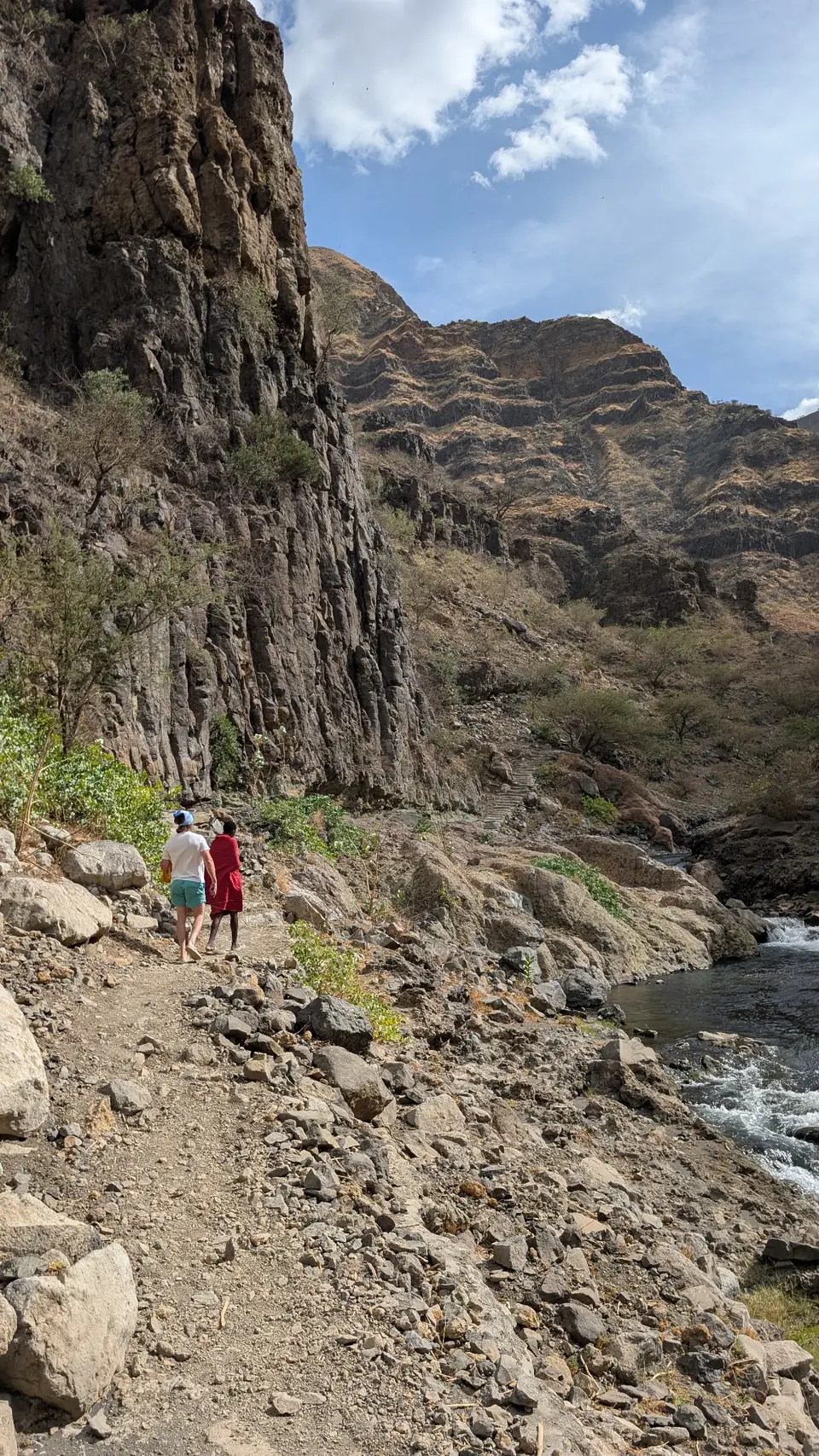
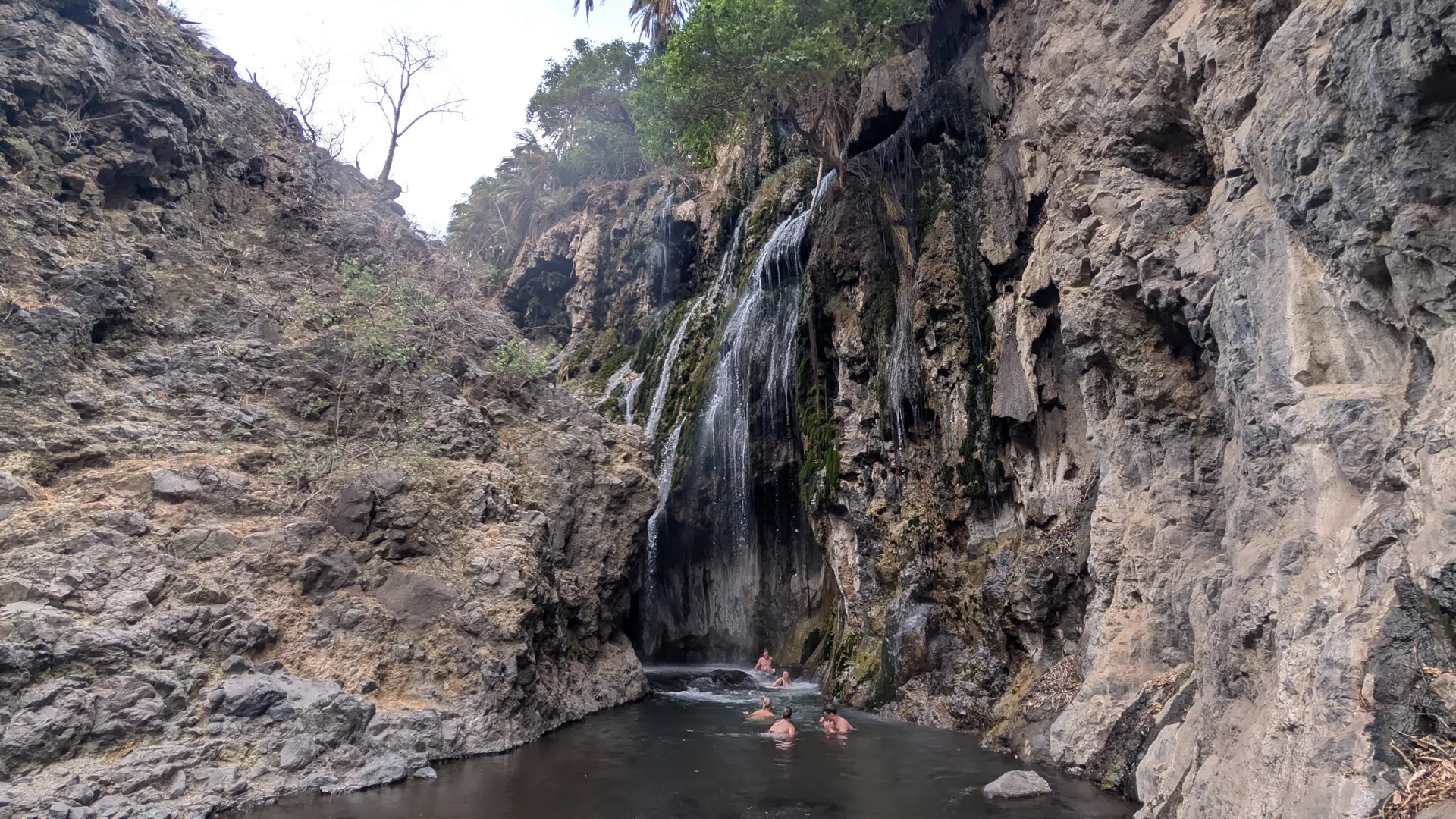
Later, we walked along the river to the Engaresero waterfalls. Rock walls, flowing water and lush greenery offered a striking change from the open landscape around Lake Natron. The mountain drew me here, but the whole journey stayed with me.
Experience Ol Doinyo Lengai with personally selected local guides, firsthand knowledge and thoughtful preparation.
Frazier visits destinations himself, meets local people and brings promising guides into Pinnacle through training and face-to-face working relationships. Local knowledge is supported by preparation and organisation.
Look beyond the climb to Lake Natron, the Engare Sero footprints and the Engaresero waterfalls. We help you choose experiences that fit your time, recovery and interests, with activities and costs confirmed in your proposal.
We discuss the demanding terrain, equipment and recovery time before departure. Current conditions and local guidance determine what is possible; reaching the summit or seeing lava is never a promise.
Ol Doinyo Lengai is the only active volcano known to erupt natrocarbonatite lava, a rare, carbonate-rich lava with a very different chemistry from the silicate lavas of most volcanoes.
Its natrocarbonatite lava erupts at approximately 500–600°C. That is relatively cool for lava, but still intensely hot and dangerous.
Fresh lava is dark. As it reacts with moisture, it weathers to grey and white, giving parts of the volcano their distinctive pale appearance.
Natrocarbonatite lava can be exceptionally fluid. Flow behaviour varies, however; this does not describe every flow or make approaching lava safe.
Set in the Gregory Rift, Lengai gives scientists a rare opportunity to study how unusual magmas form and evolve beneath an active rift landscape.
Science behind the landscape: NASA Earth Observatory · Smithsonian Global Volcanism Program · USGS geological mapping. Explore the Engare Sero footprints with Smithsonian Human Origins.
This is the proposed itinerary. Your written proposal confirms accommodation, inclusions and any changes for your dates. Conditions and safe operating decisions can change the daily plan.
Travel by private vehicle into the Rift Valley and settle into your selected accommodation. Meet the local team, check equipment and review the climb. Protect an early meal and rest before the night departure.
Overnight: Lake Natron · first night
A substantial travel day; optional activities depend on arrival timeIf local checks permit, transfer to the trailhead and begin the steep ascent with your guide. Aim for the upper mountain around dawn only if progress and conditions allow. Descend carefully, return to base and rest.
Overnight: Lake Natron · second night
The climb begins overnight between Days 1 and 2; timing is guide-ledAfter breakfast, return to Arusha. A short local walk can be discussed if your recovery, conditions and departure schedule allow. Keep long onward flight connections outside a tight same-day schedule.
Overnight: Onward accommodation as quoted
Return transfer; extra activities must be confirmedThe final written quote is the agreement on services and costs. Please check room sharing, transfers, meals, fees and any optional upgrades before confirming.
Dry footing and safe access matter more than a calendar promise. We review local conditions with the guiding team before confirming the ascent and again before departure from base.
This three-day sample starts and ends in Arusha. Moshi, Nairobi and onward safari connections require their own transport and timing plan. Arrive rested; the overnight ascent needs enough recovery time at Natron.
Use reliable footwear and a headlamp with spare power. Trekking poles can help on the descent; discuss their use with your guide.
Pack layers for the upper mountain and sun protection for the hot lower landscape. Agree water and food arrangements at the briefing.
A route closure or changed volcanic conditions can alter the programme. Confirm change and cancellation arrangements in the written proposal.
Follow local guide instructions, obtain consent before photographing people and treat cultural visits as separately agreed activities.
No lava sighting is promised. The volcano's active character is a reason for caution, and summit or crater access depends on current conditions.
Yes. Tell us you do not want to climb, and we can propose a different stay and appropriate local activities.
No. This sample is Arusha-to-Arusha. A Nairobi departure needs a separately planned trip, border arrangements and more road time.
No. It is lower but much shorter and steeper, with different terrain and volcanic hazards. Do not judge its difficulty only by its elevation.
Pinnacle can help request helicopter evacuation through an external aviation provider when needed. This is a separately charged service: helicopter flights, medical care and onward transfers are not included in Basic or Premium package prices unless your written quote expressly says otherwise.
Availability is subject to the provider’s operational approval, aircraft availability, weather, landing access and aircraft limitations. A request does not guarantee a flight or a response time. Your guides will follow the available evacuation plan; urgent descent and ground evacuation must not be delayed while waiting for an aircraft.
Before travel, confirm with your insurer that your policy covers the booked activity, your maximum altitude—including Uhuru Peak at 5,895 metres where applicable—helicopter search and rescue, medical evacuation and treatment. Check exclusions, payment authorisation and any excess. Share your policy and emergency-assistance details with Pinnacle. Costs not accepted by the insurer remain payable by the guest.
Ask Pinnacle about evacuation arrangements and extra charges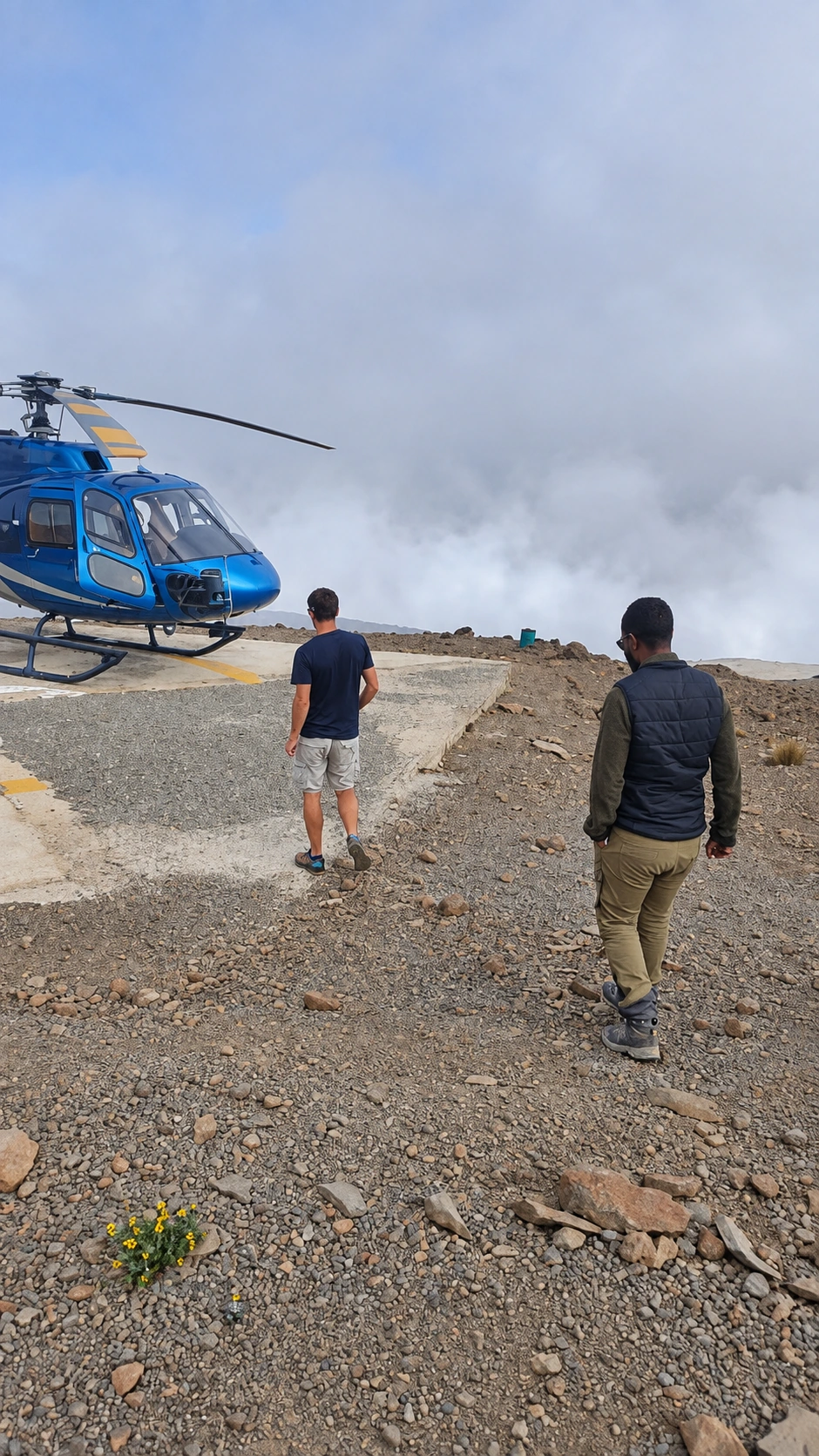
Tips are customary and appreciated, but voluntary. These are Pinnacle’s suggested planning ranges for good service, not compulsory fees. Tips are additional to your package price unless your written quote expressly includes them, and never replace wages or determine the care you receive.
| Role | Suggested amount | Basis |
|---|---|---|
| Lead guide | US$20–25 | Per guide, per mountain day |
| Assistant guide | US$15–20 | Per guide, per mountain day |
| Cook | US$15–20 | Per cook, per mountain day |
| Porter | US$8–10 | Per porter, per mountain day |
| Specialist porter | US$10–15 | Per person, per day performing the extra role |
Calculate each role’s daily rate × number of people in that role × days worked, then add the amounts and divide the group total among the climbers. Specialist roles can include summit assistance, toilet care or camp service; use the specialist rate instead of adding a second full porter tip for the same day.
Example: two climbers on a seven-day trek with one lead guide at US$25/day, one assistant at US$20/day, one cook at US$20/day and eight porters at US$10/day would budget US$1,015 for the whole group, or US$507.50 each. This illustrates the calculation, not a promised crew size. Solo climbs and larger Premium teams can cost more per guest; Meru and Lengai use their own confirmed rosters and days.
Pinnacle will confirm the crew roster and a suggested tip breakdown before departure. At the end of the trek, give labelled envelopes directly to each crew member where practical. If tips are pooled for distribution, agree and record the total and each allocation with the crew present. No management deductions should be taken from tips.
Pinnacle’s company-funded 1% Basic and 7% Premium Kilimanjaro crew welfare contributions are separate from guest tips. They are not deducted from tips and do not replace them. Read the crew programme.
Cash in Tanzanian shillings or accepted US-dollar notes is practical; agree the currency and conversion beforehand. Prepare smaller denominations. EUR and GBP amounts depend on the exchange rate, so agree any equivalent rather than assuming the website’s package conversion applies to tips.

© 2026 Pinnacle Tanzania Operators Limited · Trading as Pinnacle Tanzania