Who it suits
Travellers who can spare an extra day and want more wildlife time rather than another destination. It is a useful first-safari choice for photographers, couples and families comfortable with the road transfers.
Keep the same three northern highlights and give Serengeti more time. Three nights in the central region mean two full days to explore without moving camp.
Travellers who can spare an extra day and want more wildlife time rather than another destination. It is a useful first-safari choice for photographers, couples and families comfortable with the road transfers.
The long crater-to-Serengeti transfer on Day 2 remains. The improvement is two complete days at the Serengeti base, giving you more chances to explore and the freedom to return to promising areas.
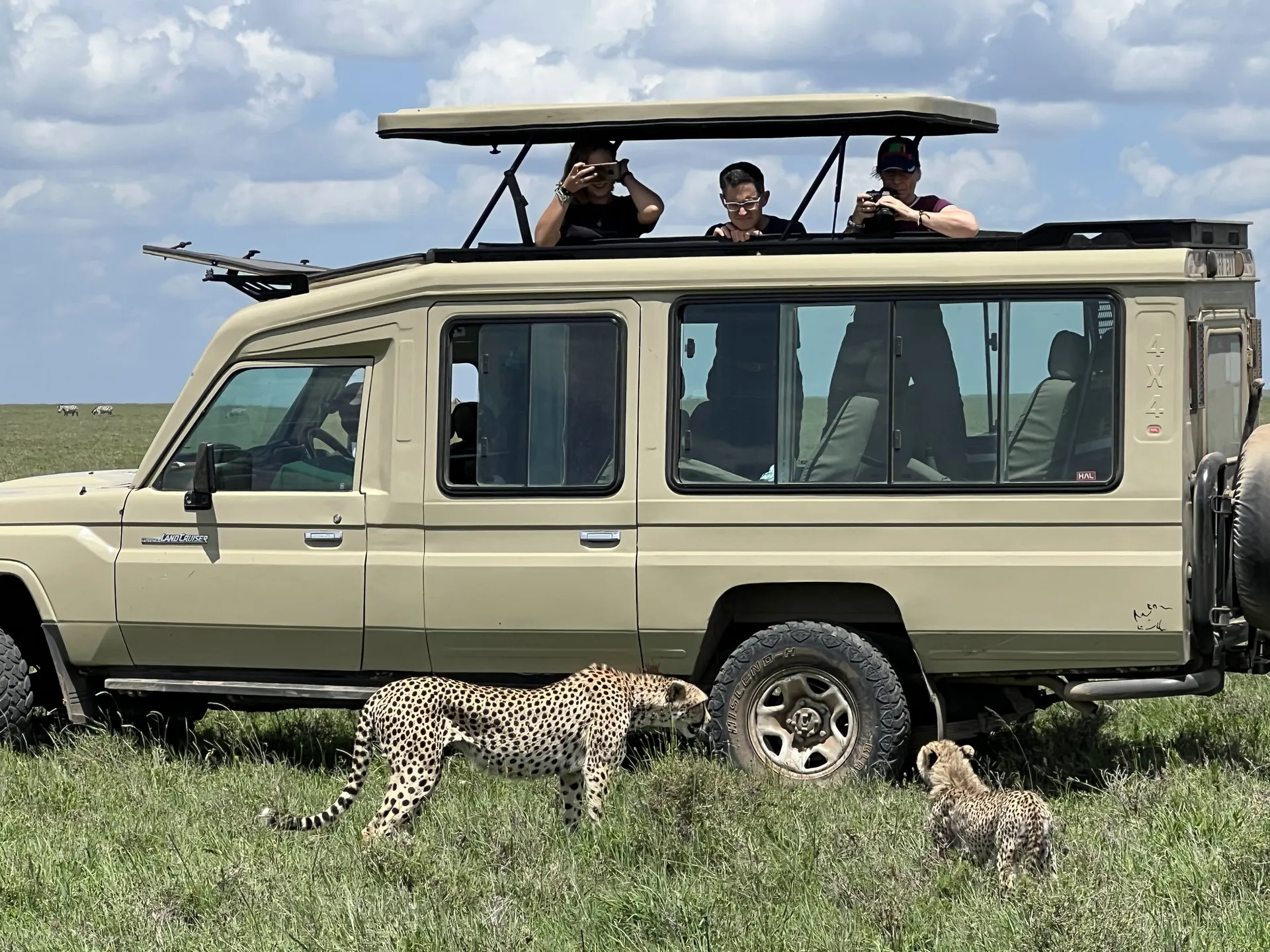
A glimpse of the wildlife and landscapes along the route.
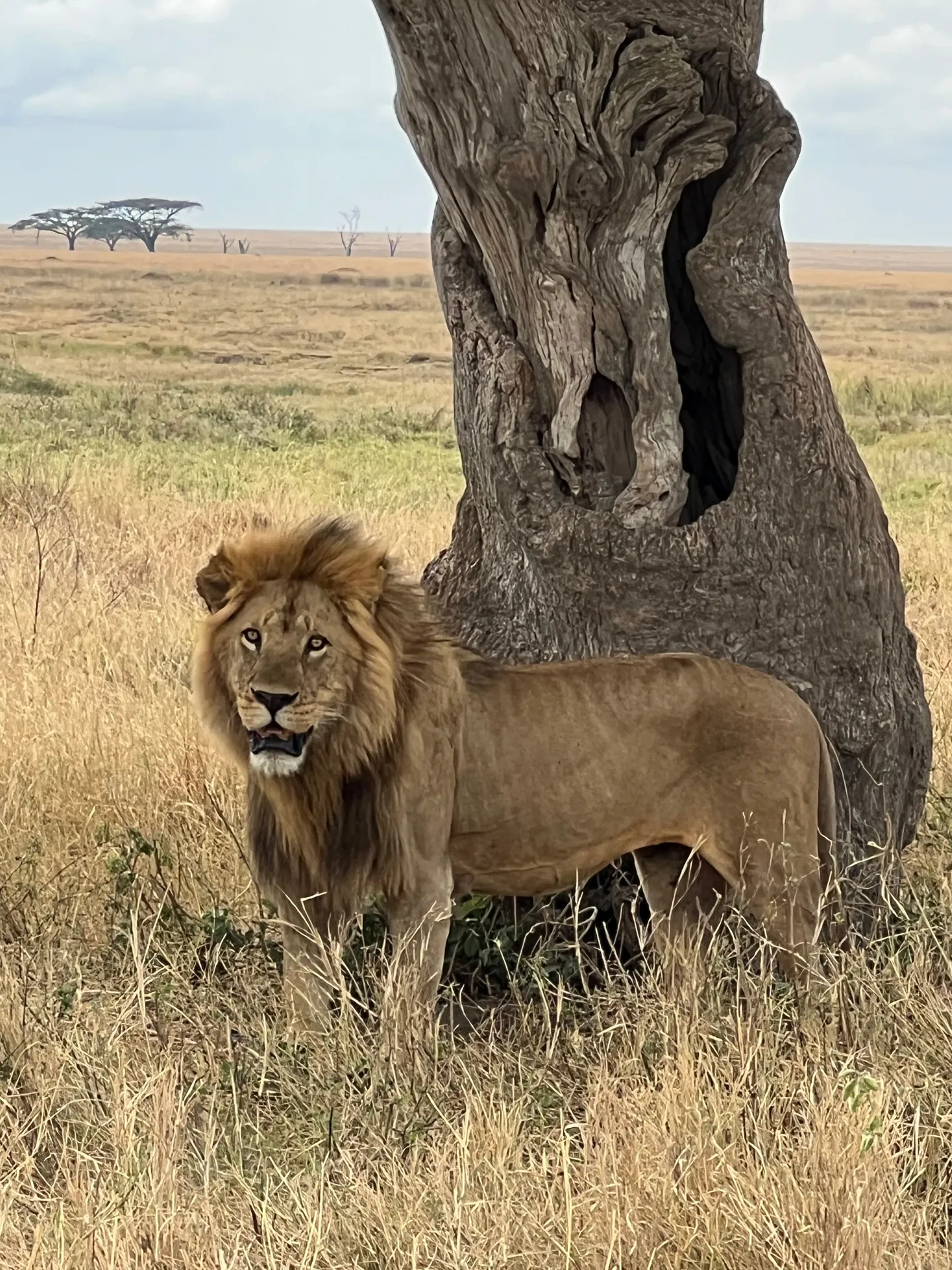
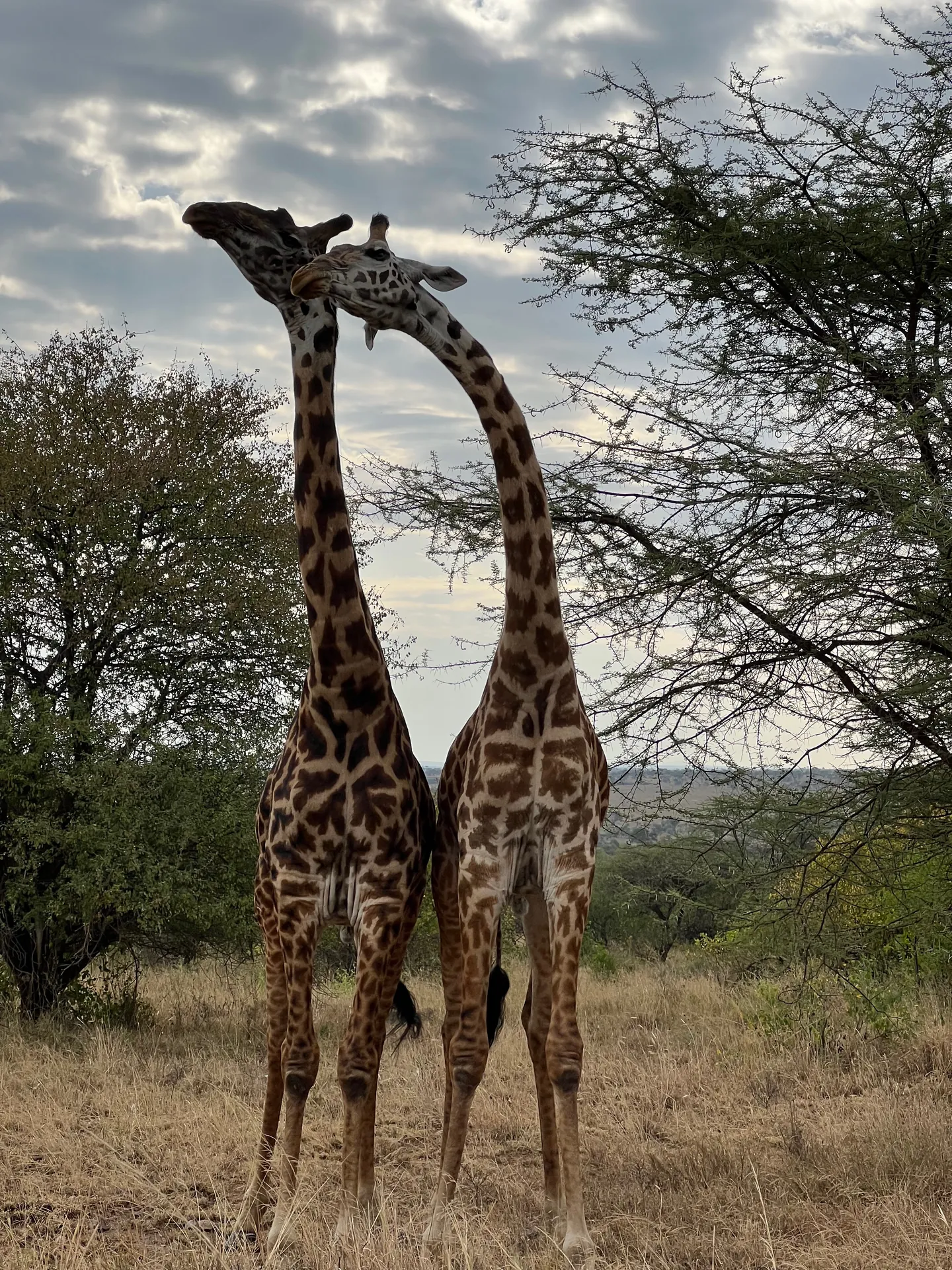
This is the proposed itinerary. Your written proposal confirms accommodation, inclusions and any changes for your dates. Conditions and safe operating decisions can change the daily plan.
Begin with a private game drive in Tarangire, using the day to explore its river landscape and woodland. Continue to Karatu for dinner and preparation for an early start.
Overnight: Karatu · night 1
Leave early for the crater descent. After the game drive and planned lunch stop, travel onward through the conservation area to central Serengeti, reaching your selected camp before the end of the operating day.
Overnight: Central Serengeti · night 2
Early crater visit and a substantial onward transfer; no extra detours are assumed.Spend the day on game drives shaped around wildlife movement, light and your interests. With the same camp tonight, there is no pressure to pack up and leave the area.
Overnight: Central Serengeti · night 3
Use another full day to explore a different part of the central region or return to an area that deserves more time. A slower midday break is possible; an optional balloon flight requires a separate booking and suitable weather.
Overnight: Central Serengeti · night 4
This additional full day is the main difference from the four-day safari.Make an early, practical departure for the return drive, watching for wildlife along the exit route. Travel back to Arusha, or ask us to quote a Seronera fly-out to Arusha or Zanzibar instead.
Overnight: Programme ends in Arusha; onward arrangements as quoted
The road return occupies much of the day.The final written quote is the agreement on services and costs. Please check room sharing, transfers, meals, fees and any optional upgrades before confirming.
Plan around the experience you want and the camps available for your dates. Central Serengeti can reward visits beyond migration season; its resident wildlife does not guarantee that the migrating herds will be nearby.
Start from Arusha on Day 1 after arriving and resting beforehand. Return on Day 5, with an overnight buffer before a tightly timed onward flight. Pre- and post-safari hotels can be added to the proposal.
Ask for a mid-range or luxury lodge and tented-camp proposal. The exact properties, room arrangements and meal plan are named before you book; a tented camp can have a proper bed and private bathroom.
Safari tracks can be dusty and uneven. Tell us about mobility needs, back problems and children's ages so we can assess the route, vehicle and accommodation.
Bring light layers, a warmer layer for early starts and the highlands, sun protection and your camera or binoculars.
Your guide follows wildlife activity and park rules. Animal sightings and encounters cannot be guaranteed.
You gain one central Serengeti night and one full day in the park. It is a meaningful increase in wildlife time, without adding another camp move.
This programme stays in central Serengeti. Northern Serengeti and Northern Serengeti - Mara River need their own time allocation; choose the six- or seven-day migration itinerary.
Yes, subject to availability and budget. Your written proposal specifies each camp or lodge and its room category.
No. It is optional and separately priced, with departure dependent on weather and operator arrangements.
Tips are customary and appreciated, but voluntary. These are Pinnacle’s suggested planning ranges for good service, not compulsory fees. Tips are additional to your package price unless your written quote expressly includes them, and never replace wages or determine the care you receive.
| Role | Suggested amount | Basis |
|---|---|---|
| Private safari driver-guide | US$20–30 | Per vehicle, per safari day, shared by your party |
| Dedicated camping-safari cook | US$10–15 | Per cook, per safari day, shared by your party |
| Lodge or camp staff | US$5–10 | Per guest, per night, through the shared staff tip box |
Example: a four-person party choosing US$25 per vehicle per day for a seven-day safari would give its driver-guide US$175 in total, or US$43.75 per guest. Lodge tips are budgeted separately for the nights actually stayed.
Give your driver-guide and dedicated cook their tips directly at the end of their service. Use each lodge’s shared staff tip box and check whether a gratuity is already included. Separate walking guides, rangers and activity teams have their own arrangements; ask before budgeting for them.
Cash in Tanzanian shillings or accepted US-dollar notes is practical; agree the currency and conversion beforehand. Prepare smaller denominations. EUR and GBP amounts depend on the exchange rate, so agree any equivalent rather than assuming the website’s package conversion applies to tips.

© 2026 Pinnacle Tanzania Operators Limited · Trading as Pinnacle Tanzania